The Truth About Red Yeast Rice: Debunking Myths and Uncovering Facts
Discover the truth about red yeast rice, its health benefits, and debunk common myths surrounding this popular supplement for cholesterol management.
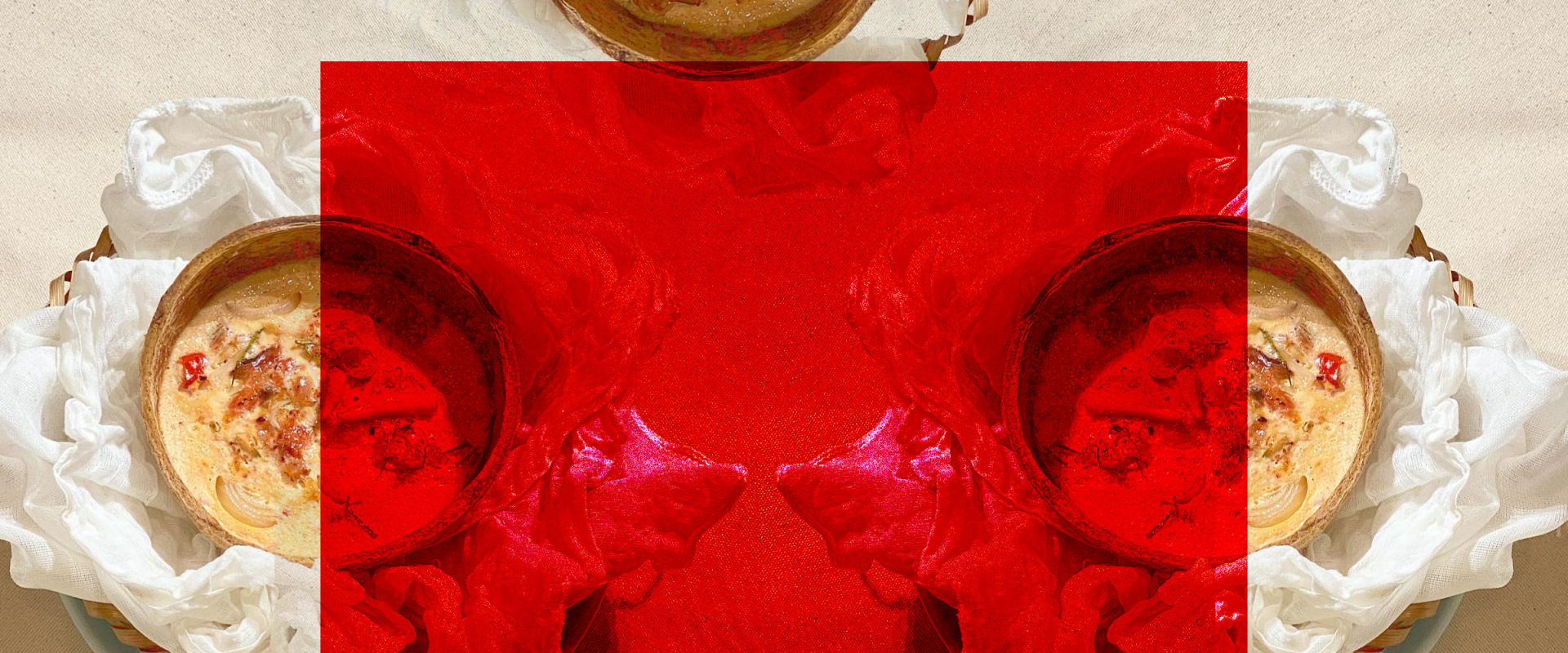
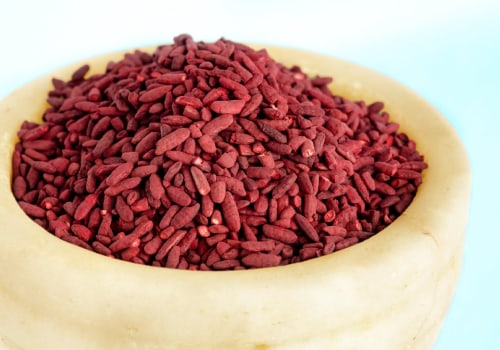
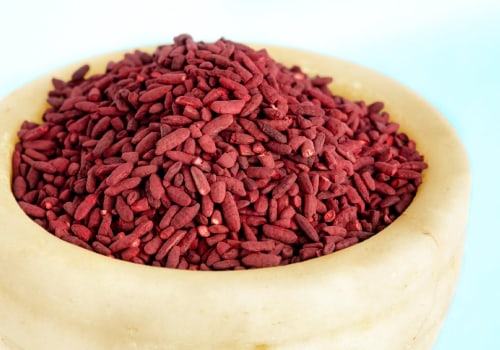
Red yeast rice is a traditional Chinese culinary and medicinal product that has gained significant attention in the Western world for its potential health benefits, particularly in managing cholesterol levels. This unique supplement is derived from rice that has been fermented with a specific type of yeast known as Monascus purpureus. The fermentation process not only imparts a distinctive red color to the rice but also produces a variety of bioactive compounds, including monacolins, which are believed to play a crucial role in its health-promoting properties. The origins of red yeast rice can be traced back over a thousand years in China, where it has been used not only as a food preservative and coloring agent but also as a remedy for various ailments. In traditional Chinese medicine, it is often utilized to improve digestion and enhance blood circulation.
However, its most notable application in modern times is its potential to lower cholesterol levels. This has led to increased interest among health enthusiasts and researchers alike, who are eager to explore the full spectrum of its benefits. One of the key components of red yeast rice is monacolin K, which is chemically identical to the active ingredient found in the prescription drug lovastatin. This similarity raises important questions about the efficacy and safety of red yeast rice as a natural alternative for cholesterol management. While some studies suggest that red yeast rice can effectively lower total cholesterol and LDL (low-density lipoprotein) levels, the concentration of monacolin K can vary significantly between different products.
This variability makes it essential for consumers to understand how red yeast rice is made and what they should look for when considering its use. The production of red yeast rice involves soaking polished white rice in water, followed by inoculation with Monascus purpureus. The mixture is then allowed to ferment under controlled conditions for several days. This fermentation process not only enhances the nutritional profile of the rice but also leads to the formation of various other beneficial compounds, such as antioxidants and sterols. Understanding this intricate process is vital for anyone looking to incorporate red yeast rice into their health regimen, as it lays the groundwork for comprehending both its potential benefits and associated risks.
Health Benefits of Red Yeast Rice
Red yeast rice has garnered attention for its potential health benefits, particularly in relation to cholesterol management.This natural supplement, derived from fermented rice, contains compounds known as monacolins, which are believed to play a significant role in lowering cholesterol levels. The most notable of these is monacolin K, which is chemically identical to the active ingredient in the prescription drug lovastatin. Numerous studies have explored the effects of red yeast rice on cholesterol levels. For instance, a meta-analysis published in the American Journal of Cardiology found that participants who consumed red yeast rice experienced a significant reduction in total cholesterol and low-density lipoprotein (LDL) cholesterol, often referred to as "bad" cholesterol. The analysis indicated that doses ranging from 1,200 mg to 2,400 mg per day were effective in achieving these results. In addition to its cholesterol-lowering properties, red yeast rice may also contribute to overall heart health.
By reducing LDL cholesterol levels, it can help decrease the risk of cardiovascular diseases such as heart attacks and strokes. A study published in the Journal of Clinical Lipidology highlighted that individuals taking red yeast rice supplements not only saw improvements in their lipid profiles but also reported better overall cardiovascular health. Moreover, some research suggests that red yeast rice may have additional benefits beyond cholesterol management. For example, it has been linked to improvements in blood pressure and blood glucose levels. These factors are crucial for maintaining heart health and preventing conditions such as hypertension and diabetes. However, it is essential to approach red yeast rice with caution.
While many individuals may benefit from its use, the quality and concentration of monacolin K can vary significantly between products. Therefore, consumers should seek out reputable brands and consult healthcare professionals before starting any new supplement regimen. In summary, the health benefits of red yeast rice are primarily centered around its ability to lower cholesterol levels and promote heart health. With ongoing research supporting its efficacy, this natural supplement may serve as a valuable addition to a heart-healthy lifestyle when used responsibly.
Debunking Common Myths About Red Yeast Rice
Red yeast rice has garnered attention for its potential health benefits, particularly in managing cholesterol levels. However, with its rise in popularity, numerous myths and misconceptions have emerged.In this section, we will clarify these misunderstandings to provide a clearer picture of what red yeast rice truly offers.
Myth 1: Red Yeast Rice is a Miracle Cure for High Cholesterol
One of the most common misconceptions is that red yeast rice is a miracle cure for high cholesterol. While it does contain monacolin K, which can help lower cholesterol levels, it is not a standalone solution.
Effective cholesterol management
typically requires a comprehensive approach that includes diet, exercise, and sometimes medication. Relying solely on red yeast rice without making other lifestyle changes may not yield significant results.Myth 2: All Red Yeast Rice Products are the Same
Another prevalent myth is that all red yeast rice supplements are created equal.
In reality, the concentration of monacolin K can vary significantly between products. Some may contain high levels of this active ingredient, while others may have minimal amounts. It’s crucial for consumers to read labels carefully and choose products from reputable manufacturers to ensure they are getting an effective dose.
Myth 3: Red Yeast Rice Has No Side Effects
Many people believe that because red yeast rice is a natural product, it is completely safe and free from side effects. However, this is not the case.
Like any supplement, red yeast rice can cause side effects such as digestive issues, muscle pain, and even liver damage in some individuals. It’s essential to consult with a healthcare professional before starting any new supplement regimen.
Myth 4: You Can Take Red Yeast Rice Without Medical Supervision
Some individuals think they can take red yeast rice without any medical guidance. This is a dangerous misconception. Due to its potential interactions with other medications and health conditions, it’s vital to discuss its use with a healthcare provider, especially for those already on cholesterol-lowering medications or with existing health issues.
Myth 5: Red Yeast Rice is Just Another Trend
Lastly, some dismiss red yeast rice as just another health trend without scientific backing.
However, research has shown that it can be effective in lowering cholesterol levels when used appropriately. Understanding the science behind it can help consumers make informed decisions rather than dismissing it outright. By debunking these myths surrounding red yeast rice, we hope to empower readers with accurate information that aids in making informed health choices.
Potential Side Effects and Risks
While red yeast rice is often touted for its potential health benefits, particularly in lowering cholesterol levels, it is crucial to consider the potential side effects and risks associated with its consumption. Understanding these factors can help individuals make informed decisions about incorporating this supplement into their health regimen. One of the primary concerns regarding red yeast rice is its similarity to statin medications, which are commonly prescribed to manage cholesterol levels. The fermentation process of red yeast rice produces compounds known as monacolins, particularly monacolin K, which has a structure similar to lovastatin, a prescription statin.This similarity raises the possibility of experiencing side effects akin to those associated with statin use.
Common Side Effects
- Muscle Pain and Weakness: Some users report experiencing muscle aches or weakness, a condition known as myopathy, which can occur with statin medications.
- Gastrointestinal Issues: Symptoms such as stomach pain, bloating, gas, and heartburn are frequently reported by individuals taking red yeast rice.
- Headaches: Frequent headaches can also occur, potentially impacting daily activities.
- Dizziness: Some users may experience dizziness or lightheadedness after consumption.
Safety Considerations
The safety of red yeast rice has not been extensively studied in older adults or those with specific health conditions. While some studies indicate that moderate consumption may not lead to significant side effects in older populations, the lack of comprehensive research necessitates caution. It is essential for individuals considering red yeast rice to consult with a healthcare professional, especially if they are currently taking medications for cholesterol management or have underlying health issues. Furthermore, the FDA has issued warnings regarding certain red yeast rice products that contain high levels of monacolin K, classifying them as unapproved drugs.Consumers should be vigilant and choose products from reputable manufacturers that adhere to safety standards. In summary, while red yeast rice may offer potential benefits for cholesterol management, it is vital to weigh these against the possible side effects and risks. Consulting with a healthcare provider can help ensure safe usage and optimal health outcomes.
Regulatory Status and Quality Control
The regulatory landscape surrounding red yeast rice products is complex and crucial for consumers seeking to improve their health. The FDA plays a significant role in overseeing the safety and efficacy of dietary supplements, including red yeast rice, which is derived from fermented rice and contains natural compounds known as monacolins. One of the primary concerns with red yeast rice is its potential to contain high levels of monacolin K, a compound chemically identical to the active ingredient in the prescription cholesterol-lowering drug lovastatin. In 1998, the FDA issued a warning regarding certain red yeast rice products that were found to contain significant amounts of monacolin K, effectively classifying them as unapproved drugs.This classification means that products containing high levels of this compound are subject to stricter regulations and cannot be marketed as dietary supplements. To ensure consumer safety, the FDA has established guidelines that manufacturers must follow. These include:
- Labeling Requirements: All dietary supplements must have clear labeling that accurately reflects their contents. This includes disclosing the amount of monacolin K present in red yeast rice products.
- Quality Control Standards: Manufacturers are required to adhere to Good Manufacturing Practices (GMP) to ensure product consistency and safety. This includes testing for contaminants and verifying ingredient quality.
- Adverse Event Reporting: Companies must report any adverse effects associated with their products, allowing the FDA to monitor safety issues over time.
Consumers should be vigilant when selecting supplements. Here are some tips for identifying safe red yeast rice products:
- Choose Reputable Brands: Look for brands that have a history of compliance with FDA regulations and positive consumer reviews.
- Check for Third-Party Testing: Products that have been tested by independent laboratories can provide additional assurance of quality and safety.
- Avoid Products with High Monacolin K Levels: If a product does not disclose its monacolin K content or claims to be a treatment for high cholesterol, it may not be safe.
How to Incorporate Red Yeast Rice into Your Diet
Incorporating red yeast rice into your diet can be a beneficial way to support your health, particularly for those looking to manage cholesterol levels. However, it is essential to do so safely and effectively.Here are some practical tips on how to use red yeast rice, including recommended dosages and advice on selecting high-quality products.
How to Use Red Yeast Rice
Red yeast rice is available in various forms, including capsules, tablets, and powder. Here are some ways to incorporate it into your daily routine:- Capsules or Tablets: This is the most common form of red yeast rice. Follow the dosage instructions on the product label or consult with a healthcare professional for personalized advice.
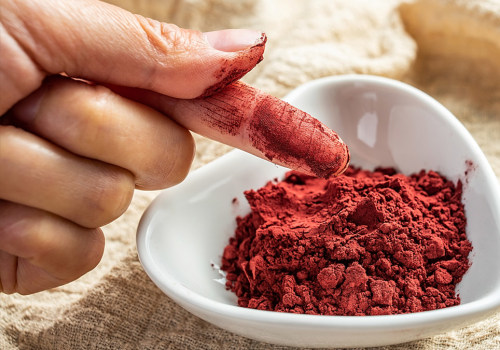
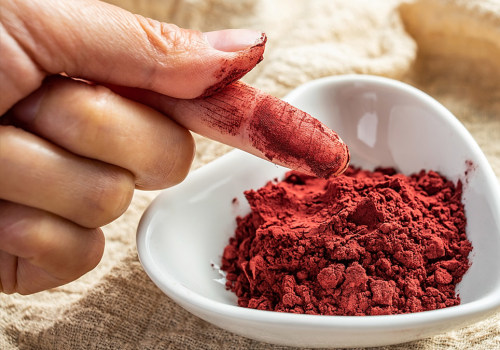
- Powder: You can add red yeast rice powder to smoothies, yogurt, or oatmeal. This method allows for easy integration into meals while providing the same benefits.
- Culinary Uses: In traditional Chinese cuisine, red yeast rice is often used as a coloring agent and flavor enhancer in dishes like rice and meat preparations.
You can experiment with small amounts in your cooking.
Recommended Dosage
The appropriate dosage of red yeast rice can vary based on individual health needs and the specific product used. Generally, studies have shown that a daily dose of 1200 mg to 2400 mg of red yeast rice extract can be effective for lowering cholesterol levels. However, it is crucial to:- Consult a Healthcare Professional: Before starting any new supplement regimen, especially if you have existing health conditions or are taking medications.
- Start with a Lower Dose: If you are new to red yeast rice, consider starting with a lower dose to assess your body's response before gradually increasing it.
Selecting High-Quality Products
Not all red yeast rice products are created equal. To ensure you are choosing a high-quality supplement, consider the following tips:- Check for Monacolin K Content: Look for products that specify the amount of monacolin K they contain.
A higher concentration may be more effective but also comes with increased risk of side effects.
- Avoid Contaminants: Choose brands that undergo third-party testing for purity and potency to avoid harmful contaminants.
- Read Reviews: Research customer reviews and ratings to gauge the effectiveness and safety of the product you are considering.
Consulting with Healthcare Professionals
Before incorporating red yeast rice into your health regimen, it is crucial to consult with a healthcare professional. This step is essential for ensuring that any supplement you consider aligns with your individual health needs and conditions. Here are some key points to consider when discussing red yeast rice with your doctor:- Understand Your Health Status: Begin by sharing your complete medical history, including any existing health conditions, medications you are currently taking, and any previous experiences with supplements.
This information will help your healthcare provider assess whether red yeast rice is a suitable option for you.
- Discuss Potential Benefits: Ask your doctor about the potential benefits of red yeast rice, particularly in relation to cholesterol management and overall cardiovascular health. Understanding how it may fit into your health goals can provide clarity on its use.
- Inquire About Risks and Side Effects: It’s important to discuss the possible side effects associated with red yeast rice, such as muscle pain or digestive issues. Your healthcare provider can help you weigh these risks against the potential benefits based on your personal health profile.
- Evaluate Drug Interactions: If you are taking other medications, especially those for cholesterol management or blood pressure, it’s vital to discuss potential interactions. Red yeast rice can have effects similar to statin medications, which may lead to compounded side effects or reduced efficacy of prescribed treatments.
- Ask About Dosage Recommendations: Your healthcare provider can offer guidance on appropriate dosages if they deem red yeast rice suitable for you.
They may also recommend specific brands or formulations that are more reliable and safe.
Conclusion: Weighing the Pros and Cons of Red Yeast Rice
In summary, the discussion surrounding red yeast rice is multifaceted, encompassing both potential benefits and significant concerns.As we have explored, this supplement has garnered attention primarily for its ability to help manage cholesterol levels, thanks to the presence of monacolins produced during the fermentation process. However, it is crucial to approach its use with a balanced perspective.
Pros:
- Cholesterol Management: Numerous studies suggest that red yeast rice can effectively lower LDL cholesterol levels, making it a potential alternative for those seeking natural remedies.
- Additional Health Benefits: Beyond cholesterol reduction, some evidence indicates that red yeast rice may also contribute to improved blood glucose and blood pressure levels.
- Natural Origin: For individuals preferring natural supplements over pharmaceuticals, red yeast rice offers a plant-based option that has been used in traditional medicine for centuries.
Cons:
- Potential Side Effects: As with any supplement, red yeast rice is not without risks. Users may experience side effects such as headaches, digestive issues, and muscle pain. In rare cases, severe conditions like rhabdomyolysis can occur.
- Quality Control Issues: The market for red yeast rice supplements is not strictly regulated, leading to variations in product quality and potency.
Some products may contain illegal levels of lovastatin or harmful contaminants.
- Lack of Comprehensive Research: While some studies support its benefits, more extensive research is needed to fully understand the long-term effects and safety of red yeast rice, particularly in older adults or those with pre-existing health conditions.