Unlocking the Health Benefits of Red Yeast Rice: Why Taking It Before Bed Matters
Discover the benefits of taking red yeast rice before bed for cholesterol management and heart health. Learn how it works and its potential effects.
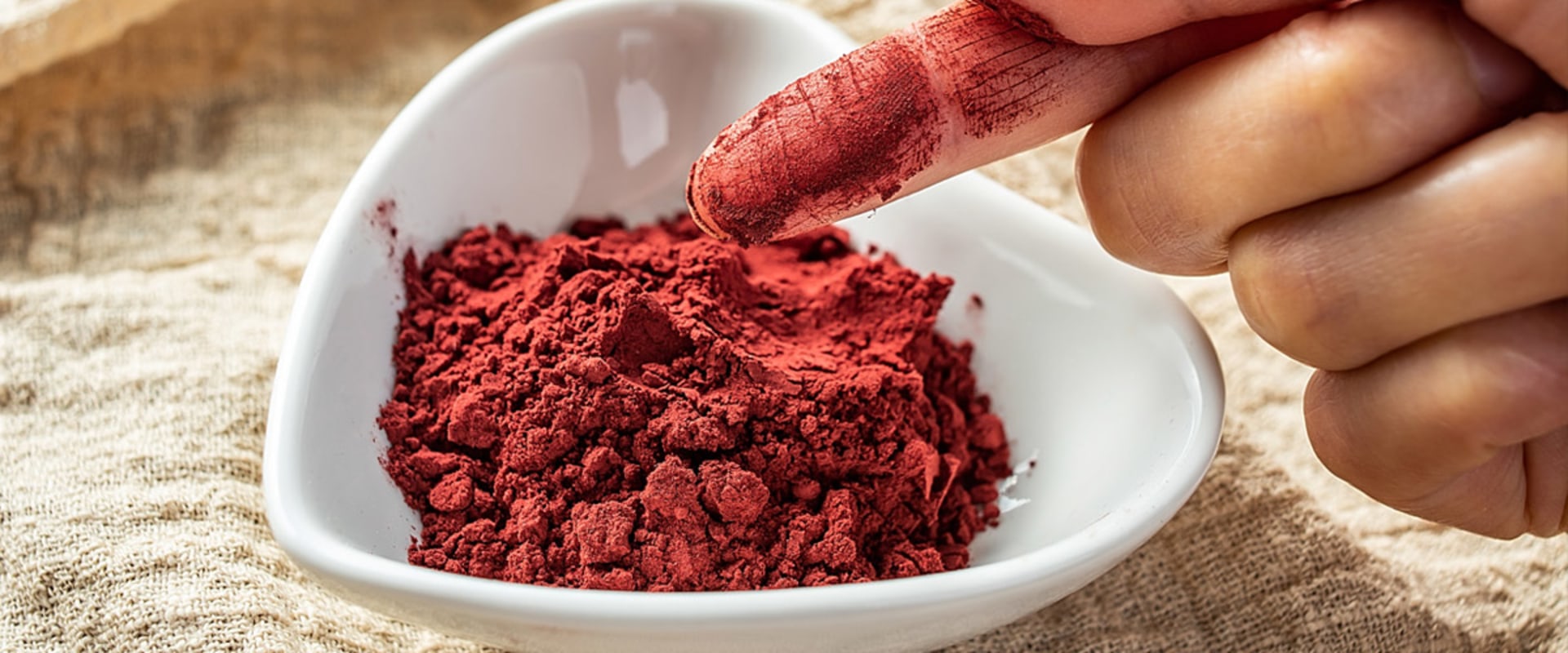
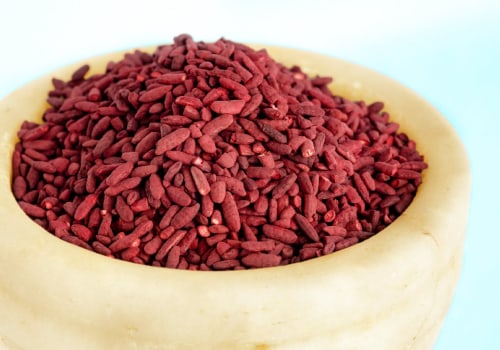
Red yeast rice is a traditional Chinese dietary staple that has gained recognition in the Western world for its potential health benefits, particularly in managing cholesterol levels. This unique product is made by fermenting rice with a specific type of mold known as Monascus purpureus. The fermentation process not only imparts a distinct reddish hue to the rice but also enriches it with various bioactive compounds, including monacolin K, which is structurally similar to the active ingredient in statin medications. The origins of red yeast rice can be traced back over a thousand years, where it was used not only as a food preservative and coloring agent but also for its medicinal properties. In traditional Chinese medicine, it has been employed to improve digestion, enhance blood circulation, and promote overall heart health.
Today, many people are turning to red yeast rice as a natural alternative to pharmaceutical statins, seeking to harness its cholesterol-lowering benefits without the side effects often associated with prescription medications. Understanding how red yeast rice works in the body is essential for appreciating its benefits. The primary mechanism involves the inhibition of cholesterol synthesis in the liver. Monacolin K competes with the enzyme HMG-CoA reductase, which plays a crucial role in cholesterol production. By blocking this enzyme, red yeast rice can effectively lower levels of low-density lipoprotein (LDL) cholesterol, often referred to as "bad" cholesterol.
This action not only helps in reducing overall cholesterol levels but also contributes to improved cardiovascular health. In addition to its cholesterol-lowering properties, red yeast rice is rich in antioxidants and other beneficial compounds that may support heart health and reduce inflammation. As research continues to explore its full range of effects, many individuals are finding that incorporating red yeast rice into their nightly routine can be a valuable step toward achieving better health outcomes.
The Science Behind Cholesterol Production
Cholesterol is a vital substance in the body, playing essential roles in cell membrane structure, hormone production, and vitamin D synthesis. However, the timing of its production is crucial for maintaining healthy levels. The liver, our primary organ for cholesterol synthesis, operates on a circadian rhythm, producing most of its cholesterol during the night.This nocturnal activity is influenced by various factors, including dietary intake and hormonal signals. During the day, when we consume food, our bodies tend to utilize dietary fats and carbohydrates for energy. As a result, the liver's cholesterol production decreases. Conversely, at night, when food intake is minimal, the liver ramps up its cholesterol synthesis to meet the body's needs. This natural cycle underscores the importance of timing when it comes to managing cholesterol levels. Taking red yeast rice before bed aligns perfectly with this biological process.
By introducing red yeast rice into your system at night, you can enhance its absorption and effectiveness during the liver's peak cholesterol production period. The active compounds in red yeast rice, particularly monacolin K, mimic the action of statins by inhibiting HMG-CoA reductase, an enzyme critical for cholesterol synthesis. Moreover, studies have shown that taking red yeast rice at night can lead to more significant reductions in LDL (low-density lipoprotein) cholesterol levels compared to taking it at other times of the day. This is because the liver is more receptive to these compounds when it is actively synthesizing cholesterol. In summary, understanding the science behind cholesterol production at night highlights why timing matters when taking supplements like red yeast rice. By synchronizing your intake with your body's natural rhythms, you can maximize the benefits and support your overall heart health effectively.
Key Benefits of Taking Red Yeast Rice Before Bed
Taking red yeast rice before bed offers a multitude of benefits that can significantly enhance your overall health, particularly in terms of lowering cholesterol levels and promoting heart health.One of the primary advantages of this timing is its alignment with the body's natural processes. During the night, when dietary intake is minimal, the liver is more active in producing cholesterol. By consuming red yeast rice before sleep, you can optimize its absorption and effectiveness in managing cholesterol levels. Research has shown that red yeast rice can lead to a substantial reduction in LDL cholesterol, often referred to as "bad" cholesterol. In various studies, participants who incorporated red yeast rice into their nightly routine experienced decreases in LDL levels by as much as 30%.
This is particularly beneficial for individuals who are looking for natural alternatives to traditional statin medications. Moreover, red yeast rice contains monacolin K, a compound that functions similarly to statins by inhibiting cholesterol synthesis in the liver. This mechanism not only helps lower LDL cholesterol but also contributes to an increase in HDL cholesterol, or "good" cholesterol, which is crucial for maintaining cardiovascular health. In addition to its cholesterol-lowering properties, taking red yeast rice at night may also support overall heart health. Studies indicate that regular consumption can improve blood circulation and reduce the risk of heart disease. The antioxidant properties found in red yeast rice help combat oxidative stress, which is a significant factor in cardiovascular issues. Furthermore, taking red yeast rice before bed can enhance digestion and promote better sleep quality.
A well-functioning digestive system is essential for overall health and can indirectly influence heart health by ensuring that nutrients are effectively absorbed and utilized by the body. In summary, the benefits of taking red yeast rice before bed extend beyond just lowering cholesterol levels. It supports heart health, improves digestion, and aligns with the body's natural rhythms for optimal absorption. As always, it is advisable to consult with a healthcare provider before starting any new supplement regimen to ensure it aligns with your individual health needs.
How to Incorporate Red Yeast Rice into Your Routine
Incorporating red yeast rice into your daily routine can be a straightforward process, but it requires some attention to detail to ensure you maximize its benefits. Here are some practical tips on how to take red yeast rice effectively, along with dosage recommendations and best practices for supplementing.Understanding Dosage Recommendations
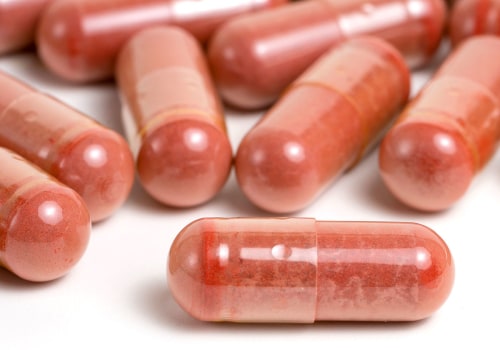
The appropriate dosage of red yeast rice can vary based on individual health needs and the specific product formulation.Generally, a common dosage ranges from 600 mg to 1200 mg per day, often divided into two or three doses. However, it is crucial to follow the instructions provided on the product label or consult with a healthcare provider for personalized advice.
Timing Your Intake
To enhance absorption and effectiveness, consider taking red yeast rice in the evening or before bed. This timing aligns with the body’s natural cholesterol production cycle, which typically peaks at night. Taking it with a small meal can also improve absorption, as the presence of food in the stomach helps facilitate the uptake of active ingredients.Choosing the Right Product
When selecting a red yeast rice supplement, look for products that have been third-party tested for quality and potency.Ensure that the supplement contains a standardized amount of monacolin K , the active compound responsible for its cholesterol-lowering effects. Avoid products that do not specify their active ingredient content, as this can lead to inconsistent results.
Best Practices for Supplementation
- Consult Your Healthcare Provider: Before starting any new supplement regimen, especially if you are taking other medications or have underlying health conditions, consult with your healthcare provider.
- Monitor Your Health: Keep track of your cholesterol levels and overall health while taking red yeast rice. Regular check-ups can help assess its effectiveness and any potential side effects.
- Avoid Alcohol: Limit alcohol consumption while taking red yeast rice, as it may increase the risk of liver damage when combined with certain supplements.
- Stay Hydrated: Drink plenty of water throughout the day to support overall health and aid in digestion.
Potential Side Effects and Considerations
While red yeast rice is often praised for its cholesterol-lowering properties and overall health benefits, it is essential to be aware of potential side effects and interactions with other medications before incorporating it into your routine.Understanding these factors can help you make informed decisions about your health.
Potential Side Effects
Like any supplement, red yeast rice can cause side effects in some individuals. Commonly reported side effects include:- Digestive Issues: Some users may experience stomach upset, gas, or diarrhea.
- Muscle Pain: Similar to statins, red yeast rice may lead to muscle aches or cramps.
- Liver Damage: There is a risk of liver enzyme elevation, which can indicate liver damage. Regular monitoring of liver function is advisable.
- Allergic Reactions: Some individuals may have allergic reactions, including rashes or itching.
Who Should Avoid Red Yeast Rice?
Certain individuals should exercise caution or avoid red yeast rice altogether:- Pregnant or Nursing Women: The safety of red yeast rice during pregnancy and breastfeeding has not been established.
- Individuals with Liver Disease: Those with pre-existing liver conditions should avoid this supplement due to the potential for liver damage.
- People with Muscle Disorders: If you have a history of muscle disorders, consult your doctor before use.
Interactions with Medications
Red yeast rice can interact with various medications, which may lead to adverse effects or reduced efficacy of treatments. Notable interactions include:- Statins: Taking red yeast rice alongside prescription statins can increase the risk of muscle-related side effects.
- Certain Antibiotics: Some antibiotics may interact negatively with red yeast rice, affecting its absorption and effectiveness.
- Certain Antifungal Medications: Similar to antibiotics, antifungal drugs can also interfere with how red yeast rice works in the body.
They can help determine if this supplement is appropriate for you and monitor any potential interactions or side effects during your use.
Comparing Red Yeast Rice to Statins
When considering options for managing cholesterol levels, many individuals find themselves weighing the benefits of red yeast rice against those of prescription statins. Both have been shown to effectively lower cholesterol, but they do so through different mechanisms and with varying side effects.Similarities Between Red Yeast Rice and Statins
- Cholesterol Reduction: Both red yeast rice and statins are effective in reducing low-density lipoprotein (LDL) cholesterol, often referred to as "bad" cholesterol. Studies indicate that red yeast rice can lower LDL levels by up to 30%, similar to the effects seen with statin medications.
- Mechanism of Action: The active compounds in red yeast rice, particularly monacolin K, function similarly to statins by inhibiting the enzyme HMG-CoA reductase, which plays a crucial role in cholesterol production in the liver.
Differences in Effectiveness and Side Effects
- Potency: While red yeast rice can be effective, it is generally considered less potent than prescription statins. This means that for some individuals with significantly high cholesterol levels, statins may be necessary to achieve desired results.
- Side Effects: Statins are known for their potential side effects, which can include muscle pain, liver damage, and digestive issues.
In contrast, red yeast rice may have fewer side effects for some users; however, it can still cause muscle pain and liver issues due to its active ingredients. It is essential for users to monitor their health closely when using either option.
- Regulation: Statins are regulated medications that require a prescription and are subject to rigorous testing for safety and efficacy. Red yeast rice, on the other hand, is classified as a dietary supplement in the U. S., which means it is not as strictly regulated.
This can lead to variability in product quality and potency.
Natural Alternatives to Statins
For those seeking natural alternatives to statins, red yeast rice presents a viable option. However, it is crucial to consult with a healthcare provider before starting any new supplement regimen. They can help determine the most appropriate treatment based on individual health needs and potential interactions with other medications. In conclusion, while both red yeast rice and statins offer significant benefits for lowering cholesterol levels, understanding their differences in effectiveness and side effects is vital for making an informed decision about heart health management.
Frequently Asked Questions About Red Yeast Rice
As interest in red yeast rice continues to grow, many individuals have questions regarding its safety, interactions with other supplements, and the timeline for experiencing its benefits. Below are some of the most frequently asked questions about this natural supplement.Is Red Yeast Rice Safe?
Generally, red yeast rice is considered safe for most people when taken in appropriate doses.However, it is essential to consult with a healthcare provider before starting any new supplement regimen, especially if you have underlying health conditions or are taking other medications. Some potential side effects may include:
- Digestive issues such as bloating or gas
- Muscle pain or weakness
- Headaches
- Liver enzyme abnormalities
Can I Take Red Yeast Rice with Other Supplements?
While many people combine red yeast rice with other dietary supplements, caution is advised. It is particularly important to avoid taking it alongside other products that also lower cholesterol or have similar effects on the liver.Some common supplements that may interact include:
- Fish oil
- Garlic supplements
- Coenzyme Q10 (CoQ10)
How Long Does It Take for Red Yeast Rice to Work?
The time it takes to notice the effects of red yeast rice can vary from person to person. Some individuals may begin to see improvements in their cholesterol levels within a few weeks, while others might take several months to experience significant changes. Factors that can influence this timeline include:- Your overall diet and lifestyle
- The specific formulation of red yeast rice used
- Your individual metabolism and health status
Conclusion: Embracing the Benefits of Red Yeast Rice Before Bed
In conclusion, the practice of taking red yeast rice before bed offers a multitude of health benefits that can significantly enhance your overall well-being.As we have explored, this natural supplement has been utilized for centuries, particularly in traditional Chinese medicine, for its ability to support heart health and manage cholesterol levels effectively. One of the primary advantages of consuming red yeast rice at night is its alignment with the body's natural cholesterol production cycle. During the nighttime hours, when dietary intake is minimal, the liver tends to produce more cholesterol. By introducing red yeast rice into your routine before sleep, you can optimize its absorption and efficacy, allowing it to work synergistically with your body’s processes. Moreover, studies have indicated that red yeast rice can lead to a significant reduction in LDL (bad) cholesterol levels, with some research showing decreases of up to 30%. This makes it a compelling alternative for individuals who may not tolerate traditional statin medications or are seeking a more natural approach to managing their cholesterol. Additionally, red yeast rice is known for its potential to improve blood circulation and digestion, further contributing to cardiovascular health.
Its rich history and proven benefits make it a valuable addition to any health regimen. However, it is crucial to approach supplementation with caution. Consulting with a healthcare provider before starting red yeast rice is essential to ensure it fits well within your individual health plan and does not interact with other medications you may be taking. In summary, embracing the benefits of red yeast rice before bed can be a proactive step towards better heart health and overall wellness. By incorporating this supplement into your nightly routine, you may find yourself on a path to improved health outcomes and enhanced quality of life.