The Truth About Red Yeast Rice: Separating Fact from Fiction on Its Benefits
Discover the truth about red yeast rice benefits, its cholesterol-lowering effects, potential risks, and who should consider using it.
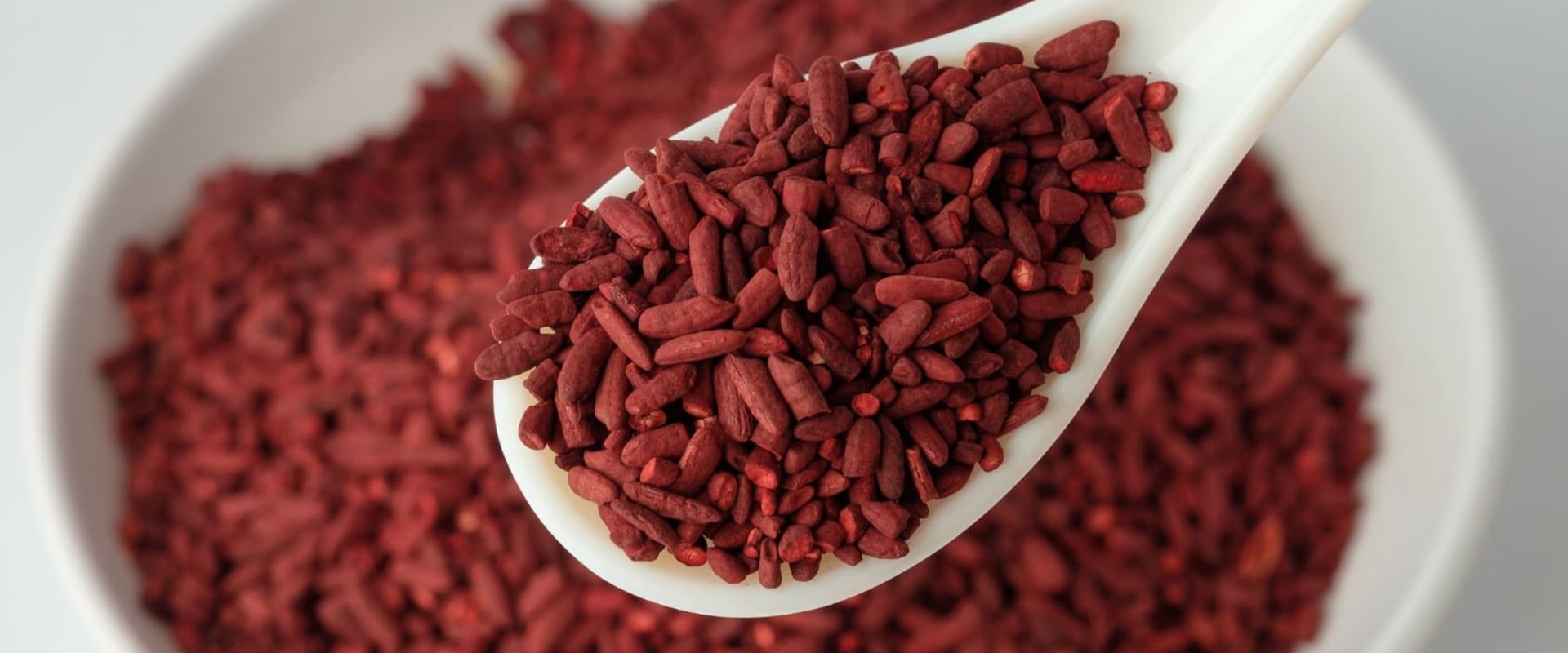
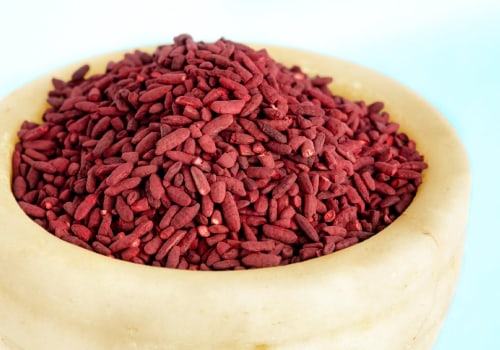
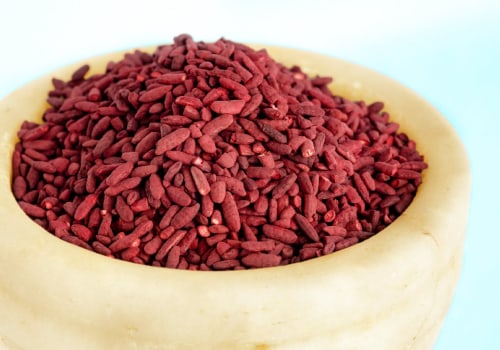
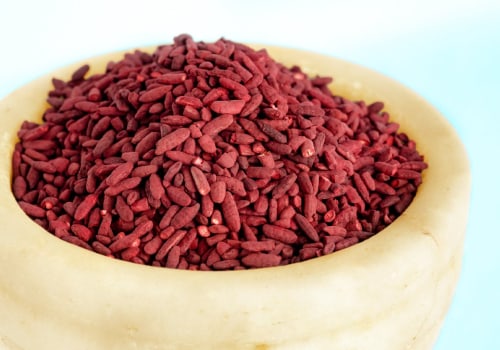
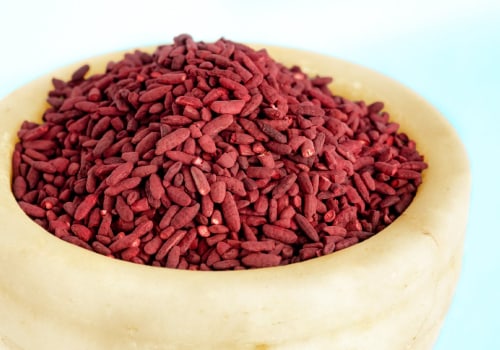
Red yeast rice, a traditional Chinese culinary and medicinal product, has been utilized for centuries in various Asian cultures. It is produced by fermenting rice with a specific type of mold known as Monascus purpureus. This fermentation process not only imparts a distinctive reddish hue to the rice but also enhances its nutritional profile, making it a staple in both food and herbal medicine. Historically, red yeast rice has been used to promote digestive health, improve circulation, and support overall wellness. In recent years, red yeast rice has gained significant attention in the Western world, primarily due to its potential cholesterol-lowering benefits.
Research indicates that it contains natural compounds called monacolins, particularly monacolin K, which is chemically identical to the active ingredient in statin medications. This has led many individuals to consider red yeast rice as a natural alternative for managing cholesterol levels. However, the effectiveness and safety of these supplements can vary widely due to differences in production methods and the presence of contaminants. As consumers become more health-conscious and seek out natural remedies, understanding the full scope of red yeast rice's benefits and potential risks is crucial. While some studies suggest that it can effectively lower LDL cholesterol and improve heart health, others raise concerns about quality control and the presence of harmful substances like citrinin.
Therefore, it is essential to delve deeper into the science behind red yeast rice and separate fact from fiction.
The Science Behind Red Yeast Rice
Red yeast rice is a traditional Chinese culinary ingredient that has gained attention in the health and wellness community for its potential to lower cholesterol levels. The primary active compound responsible for these effects is monacolin K , a naturally occurring statin that inhibits the enzyme HMG-CoA reductase, which plays a crucial role in cholesterol synthesis in the liver. When consumed, red yeast rice works by reducing the production of low-density lipoprotein (LDL) cholesterol, often referred to as "bad" cholesterol. Elevated levels of LDL cholesterol are associated with an increased risk of cardiovascular diseases, including heart attacks and strokes. By lowering LDL levels, red yeast rice may contribute to improved heart health. Research has shown that monacolin K can effectively lower total cholesterol and LDL cholesterol levels.A meta-analysis of several studies indicated that individuals taking red yeast rice supplements experienced a significant reduction in LDL cholesterol compared to those who received a placebo. This evidence supports the notion that red yeast rice can be a valuable addition to a heart-healthy lifestyle. However, it is essential to note that not all red yeast rice products contain the same amount of monacolin K. The concentration can vary significantly between different brands and formulations, which can affect their efficacy. Some products may also contain additional compounds that could enhance or inhibit the cholesterol-lowering effects. In addition to monacolin K, red yeast rice contains other beneficial compounds such as policosanols , which may also contribute to its cholesterol-lowering properties.
Policosanols are a group of long-chain alcohols derived from plant waxes and have been shown to help reduce LDL cholesterol while increasing high-density lipoprotein (HDL) cholesterol, known as "good" cholesterol. While the potential benefits of red yeast rice are promising, it is crucial for consumers to approach its use with caution. The lack of regulation in the supplement industry means that product quality can vary widely. Therefore, individuals interested in using red yeast rice should consult with healthcare professionals to ensure they choose a reputable product and understand how it fits into their overall health strategy.
Health Benefits of Red Yeast Rice
Red yeast rice has garnered attention for its potential health benefits, particularly in the realm of cholesterol management and overall cardiovascular health. This traditional Chinese food product, made by fermenting rice with a specific type of yeast, contains natural compounds that may help lower cholesterol levels and improve heart health. One of the primary components of red yeast rice is monacolin K , a substance that is chemically identical to the active ingredient in the prescription cholesterol-lowering medication, lovastatin.Numerous studies have indicated that monacolin K can effectively reduce levels of low-density lipoprotein (LDL) cholesterol, often referred to as "bad" cholesterol. For instance, a meta-analysis published in the American Journal of Cardiology found that participants who consumed red yeast rice experienced significant reductions in LDL cholesterol levels compared to those who did not. In addition to lowering LDL cholesterol, red yeast rice may also contribute to improved cardiovascular health by:
- Reducing total cholesterol levels: Regular consumption can lead to a decrease in overall cholesterol, which is beneficial for heart health.
- Improving blood circulation: Some studies suggest that red yeast rice may enhance blood flow, potentially reducing the risk of heart disease.
- Lowering triglycerides: Research indicates that red yeast rice can help lower triglyceride levels, another risk factor for cardiovascular disease.
Therefore, consulting with a healthcare provider before starting any new supplement regimen is crucial to ensure safety and efficacy.
Potential Risks and Side Effects
While red yeast rice is often touted for its potential benefits in lowering cholesterol, it is crucial to consider the potential risks and side effects associated with its consumption. Understanding these risks can help consumers make informed decisions about whether to incorporate this supplement into their health regimen. One of the primary concerns regarding red yeast rice is the lack of regulation in the supplement industry. Unlike prescription medications, dietary supplements like red yeast rice are not subject to the same rigorous testing and approval processes by the FDA. This means that the quality, potency, and safety of red yeast rice products can vary significantly from one brand to another. Moreover, many red yeast rice products may contain varying levels of monacolin K, the active compound responsible for its cholesterol-lowering effects.Without proper labeling, consumers have no way of knowing how much monacolin K they are actually consuming, which can lead to inconsistent results and potential health risks.
FDA Warnings
The FDA has issued warnings regarding certain red yeast rice products that contain significant amounts of monacolin K, as these products are essentially equivalent to statin medications like lovastatin. The FDA's stance is clear: products containing high levels of monacolin K cannot be marketed as dietary supplements due to their potential for serious side effects similar to those associated with prescription statins. Additionally, some red yeast rice products have been found to contain a harmful contaminant known as citrinin. This mycotoxin has been linked to kidney damage and failure, raising significant concerns about the safety of consuming unregulated red yeast rice supplements. Consumers should be particularly cautious about sourcing their supplements from reputable manufacturers that conduct third-party testing for contaminants.Common Side Effects
While many individuals may tolerate red yeast rice well, some may experience side effects similar to those associated with statin medications.These can include:
- Muscle pain or weakness
- Digestive issues such as bloating or gas
- Headaches
- Liver enzyme abnormalities
Who Should Consider Red Yeast Rice?
When considering the use of red yeast rice, it is essential to identify who may benefit from this supplement and who should exercise caution or avoid it altogether. Understanding these distinctions can help individuals make informed decisions about their health.Who May Benefit from Red Yeast Rice?
Red yeast rice has been shown to be particularly beneficial for individuals looking to manage their cholesterol levels. Here are some specific groups that might consider incorporating red yeast rice into their health regimen:- Individuals with Elevated LDL Cholesterol: Those with high levels of low-density lipoprotein (LDL) cholesterol may find red yeast rice helpful in lowering these levels, especially when combined with a balanced diet and regular exercise.
- People Seeking Natural Alternatives: For those who prefer natural supplements over pharmaceutical options, red yeast rice can serve as a potential alternative for managing cholesterol, provided they consult with a healthcare professional.
- Individuals with a Family History of Heart Disease: Those with a genetic predisposition to heart disease may benefit from proactive measures, including the use of red yeast rice, to help maintain healthy cholesterol levels.
Who Should Avoid Red Yeast Rice?
While red yeast rice can offer benefits, certain individuals should avoid it due to potential health risks:- Those on Statin Medications: Individuals currently taking statins or other cholesterol-lowering medications should avoid red yeast rice, as combining these can increase the risk of side effects, including muscle pain and liver damage.
- People with Liver Conditions: Those with existing liver diseases or elevated liver enzymes should steer clear of red yeast rice, as it may exacerbate their condition.
- Pregnant or Breastfeeding Women: The safety of red yeast rice during pregnancy and lactation has not been well studied, so it is advisable for women in these categories to avoid it.
- Individuals with Kidney Issues: Due to the potential presence of citrinin, a contaminant linked to kidney damage, those with kidney problems should refrain from using red yeast rice products.
This ensures that personal health conditions and medications are taken into account, allowing for safe and effective use of red yeast rice.
Consulting Healthcare Professionals
When considering the addition of red yeast rice to your health regimen, it is crucial to consult with a healthcare professional. This step is particularly important for individuals who have pre-existing health conditions or are currently taking medications. A healthcare provider can offer personalized advice based on your unique health profile, ensuring that any supplement you choose is safe and appropriate for your situation. Many people may underestimate the potential interactions between supplements and prescription medications. For instance, red yeast rice contains compounds that can affect cholesterol levels, similar to statins.If you are already on cholesterol-lowering medications, combining them with red yeast rice could lead to an increased risk of side effects, such as muscle pain or liver damage. Therefore, discussing your current medications with your doctor is essential. Moreover, individuals with certain medical conditions should exercise caution when considering supplements like red yeast rice. Those with liver disease, kidney issues, or a history of organ transplants may face heightened risks. A healthcare professional can help assess these risks and determine whether red yeast rice is a suitable option for you. In addition to evaluating potential interactions and risks, healthcare providers can also guide you on the appropriate dosage and duration of use for red yeast rice.
Since the supplement industry lacks stringent regulation, the quality and concentration of active ingredients can vary significantly between products. A knowledgeable healthcare provider can recommend reputable brands or formulations that have been tested for safety and efficacy. Furthermore, if you experience any adverse effects while taking red yeast rice or any other supplement, it is vital to report these to your healthcare provider immediately. They can help determine whether the supplement is the cause and advise on the best course of action. In summary, consulting with a healthcare professional before starting any supplement regimen is not just a precaution; it is a necessary step towards ensuring your health and safety. By seeking expert advice, you can make informed decisions about incorporating red yeast rice into your lifestyle while minimizing potential risks.
Frequently Asked Questions About Red Yeast Rice
As interest in red yeast rice continues to grow, many individuals have questions regarding its safety, efficacy, and overall role in health management.Below are some of the most frequently asked questions about red yeast rice that can help clarify common misconceptions and provide valuable insights.
What is red yeast rice?
Red yeast rice is a traditional Chinese culinary and medicinal product made by fermenting white rice with a specific type of mold called Monascus purpureus. This fermentation process not only gives the rice its distinctive red color but also produces several compounds, including monacolin K, which is chemically identical to the active ingredient in statin medications used to lower cholesterol.Is red yeast rice safe to consume?
The safety of red yeast rice can vary significantly depending on the product and its formulation. While many people use it without adverse effects, there are potential risks associated with its consumption:- Lack of Regulation: The supplement industry is not as strictly regulated as pharmaceuticals, leading to variations in the concentration of active ingredients in different products.
- Possible Contaminants: Some red yeast rice products may contain citrinin, a toxin that can harm kidney function.
- Drug Interactions: Individuals taking statins or other cholesterol-lowering medications should consult their healthcare provider before using red yeast rice due to potential interactions.
Can red yeast rice help lower cholesterol?
Research indicates that red yeast rice can effectively lower LDL cholesterol levels. However, the extent of its effectiveness may depend on the specific formulation used.Many studies have focused on a particular product known as Cholestin, which is no longer available in the U. S. Therefore, consumers should be cautious and consult healthcare professionals for personalized advice.
Who should avoid red yeast rice?
Certain groups of people should avoid using red yeast rice, including:- Individuals currently taking statins or other cholesterol-lowering medications.
- People with liver disease or those who are pregnant or breastfeeding.
- Individuals with a history of kidney issues or those who have undergone organ transplants.
Conclusion: The Bottom Line on Red Yeast Rice Benefits
In summary, the discussion surrounding red yeast rice benefits reveals a complex interplay of potential advantages and significant risks.While many individuals are drawn to red yeast rice for its ability to potentially lower LDL cholesterol levels, it is crucial to approach this supplement with caution and informed awareness. Research has indicated that red yeast rice can indeed contribute to improved cholesterol profiles, particularly in those who may not respond well to traditional statin medications. However, the effectiveness of these products can vary widely due to the lack of standardization in the supplement industry. Many formulations on the market do not contain the same active ingredients or concentrations as those used in clinical studies, which raises questions about their efficacy. Moreover, the presence of contaminants such as citrinin poses serious health risks, including potential kidney damage. This underscores the importance of purchasing red yeast rice from reputable sources that prioritize quality and safety.
Consumers should be aware that without proper regulation, they may inadvertently expose themselves to harmful substances. It is also essential for individuals considering red yeast rice to consult with healthcare professionals, especially if they are already taking cholesterol-lowering medications or have pre-existing health conditions. This step is vital to avoid adverse interactions and ensure that any supplement taken aligns with their overall health strategy. Ultimately, while red yeast rice may offer some benefits for cholesterol management, it is not a one-size-fits-all solution. Each person's health needs are unique, and informed decision-making is key when incorporating any supplement into one’s regimen. By weighing the potential benefits against the risks and seeking professional guidance, individuals can make choices that best support their health goals.