The Truth About Red Rice Yeast and Statins: A Comprehensive Safety Comparison
Explore the safety and effectiveness of red yeast rice compared to statins for cholesterol management. Discover the benefits and risks involved.
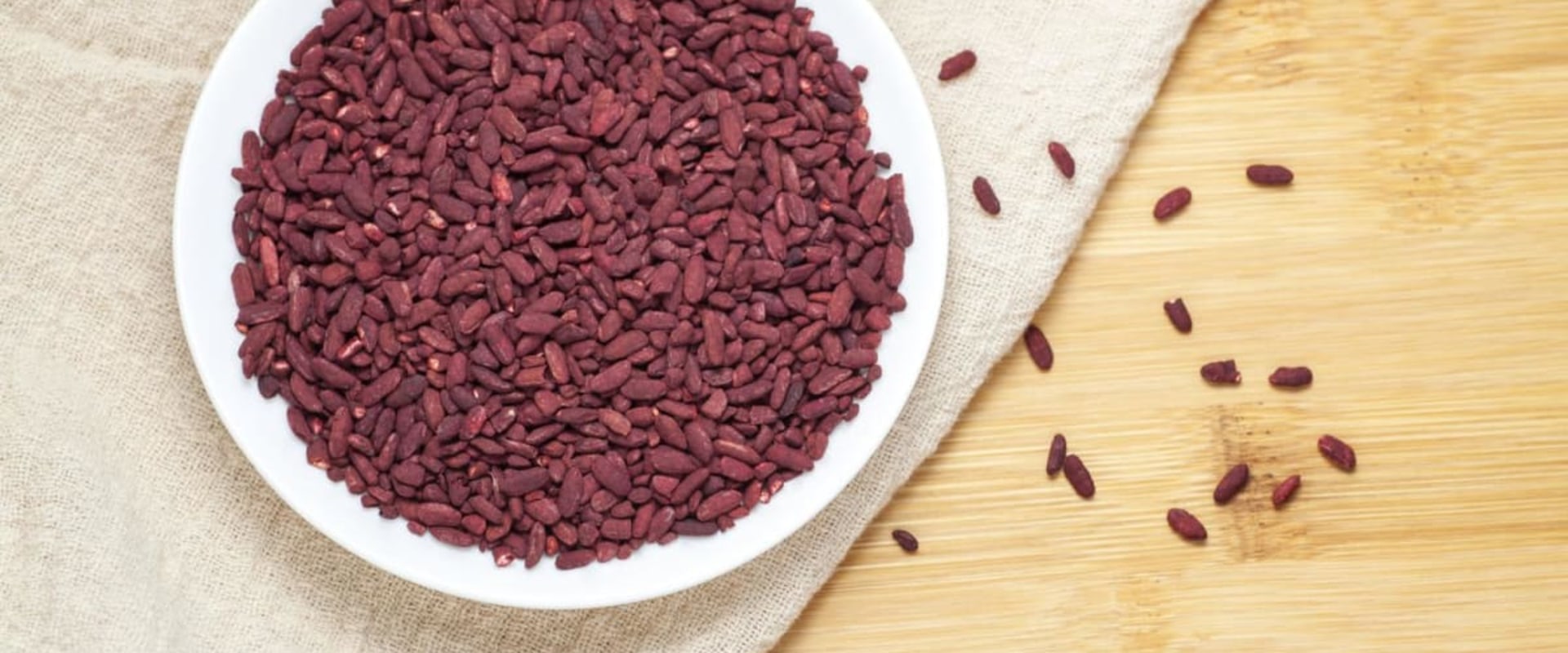
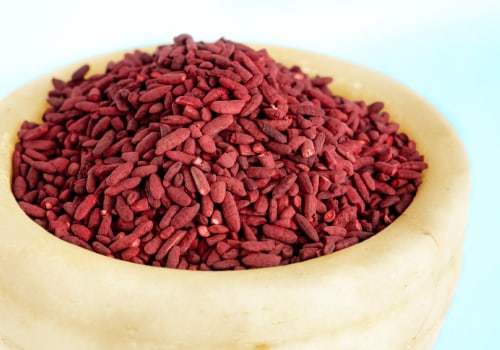
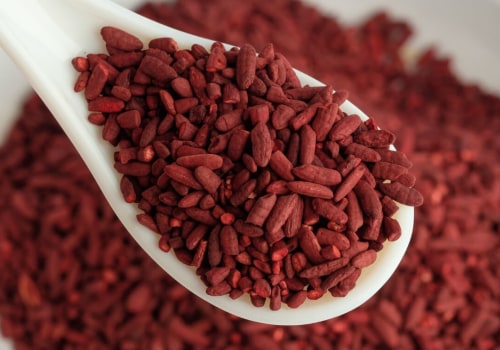
Red yeast rice, a traditional Chinese culinary and medicinal ingredient, has gained significant attention in recent years for its potential health benefits, particularly in managing cholesterol levels. This unique product is created by fermenting white rice with a specific type of mold known as Monascus purpureus. The fermentation process not only imparts a distinctive reddish hue to the rice but also enhances its nutritional profile, making it a subject of interest for both health enthusiasts and researchers alike. The primary active component in red yeast rice is monacolin K , a natural statin that has been shown to inhibit the enzyme HMG-CoA reductase, which plays a crucial role in cholesterol production within the liver. This mechanism is similar to that of prescription statins, which are commonly used to lower LDL (bad) cholesterol levels.
As a result, many individuals turn to red yeast rice as a natural alternative to pharmaceutical options, hoping to achieve similar cholesterol-lowering effects without the side effects often associated with synthetic medications. In addition to its cholesterol-lowering properties, red yeast rice is also believed to offer other health benefits. Some studies suggest that it may help improve cardiovascular health by reducing inflammation and promoting better blood circulation. Furthermore, its antioxidant properties may contribute to overall wellness by combating oxidative stress in the body. However, while these potential benefits are promising, it is essential to approach red yeast rice with caution and awareness of its limitations and possible side effects. As we delve deeper into the implications of using red yeast rice for cholesterol management, it becomes crucial to understand not only its benefits but also the regulatory landscape surrounding its use.
With varying levels of monacolin K in different products and potential interactions with other medications, consulting with healthcare professionals before incorporating red yeast rice into your health regimen is highly advisable.
The Science Behind Red Yeast Rice
Red yeast rice, a traditional Chinese culinary ingredient and medicinal product, has garnered attention for its potential health benefits, particularly in managing cholesterol levels. The primary active compound in red yeast rice is monacolin K , which plays a crucial role in its cholesterol-lowering effects.Monacolin K
is a naturally occurring statin that inhibits the enzyme HMG-CoA reductase. This enzyme is essential for the biosynthesis of cholesterol in the liver. By blocking this enzyme, monacolin K effectively reduces the production of cholesterol, leading to lower levels of low-density lipoprotein (LDL) cholesterol, often referred to as "bad" cholesterol.
This mechanism is similar to that of prescription statins, which are widely used to manage high cholesterol levels. In addition to its direct effects on cholesterol synthesis, red yeast rice may also influence other metabolic pathways. For instance, it has been suggested that red yeast rice can enhance the body's ability to clear LDL cholesterol from the bloodstream. This dual action—reducing production and increasing clearance—can contribute to improved cardiovascular health. However, the concentration of monacolin K in red yeast rice products can vary significantly due to factors such as fermentation conditions and the specific strains of yeast used. Some commercial products may contain insufficient amounts of monacolin K to achieve meaningful cholesterol-lowering effects.
Therefore, consumers should be cautious and seek products that provide standardized dosages of this active ingredient. Moreover, while red yeast rice is generally considered safe for most individuals when taken in appropriate doses, it can still pose risks. The fermentation process can lead to the presence of harmful byproducts, such as citrinin, which can have nephrotoxic effects. Therefore, it is essential for consumers to choose high-quality supplements from reputable sources. In summary, understanding how red yeast rice works through its active compound monacolin K provides valuable insight into its potential benefits for managing cholesterol levels. As with any supplement, it is advisable to consult with a healthcare professional before incorporating red yeast rice into your health regimen.
Statins: An Overview
Statins are a class of medications widely prescribed to help manage cholesterol levels in the body.They work primarily by inhibiting the enzyme HMG-CoA reductase, which plays a crucial role in the production of cholesterol in the liver. By reducing cholesterol synthesis, statins effectively lower levels of low-density lipoprotein (LDL) cholesterol, often referred to as "bad" cholesterol, while also modestly increasing high-density lipoprotein (HDL) cholesterol, known as "good" cholesterol.
Common Types of Statins
- Atorvastatin (Lipitor)
- Simvastatin (Zocor)
- Rosuvastatin (Crestor)
- Pravastatin (Pravachol)
- Lovastatin (Mevacor)
Benefits of Statins
- Cholesterol Management: Statins significantly lower LDL cholesterol levels, which is a major contributor to atherosclerosis and heart disease.
- Cardiovascular Protection: Numerous studies indicate that statin therapy can reduce the incidence of heart attacks and strokes in high-risk populations.
- Anti-inflammatory Effects: Statins may also exert anti-inflammatory effects that contribute to their cardiovascular benefits.
Potential Risks and Side Effects
While statins are generally well-tolerated, they are not without potential side effects. Some common side effects include:
- Mild muscle pain or weakness
- Digestive issues such as nausea or diarrhea
- Increased liver enzymes, which may indicate liver damage
- In rare cases, statins can lead to more severe muscle problems, including rhabdomyolysis.
Overall, statins remain a cornerstone in the management of high cholesterol and cardiovascular health.
Comparative Effectiveness: Red Yeast Rice vs. Statins
When it comes to managing LDL cholesterol levels, the effectiveness of red yeast rice compared to statins is a topic of considerable interest. Both options have been studied extensively, but they differ significantly in their mechanisms and outcomes. Statins, which are widely prescribed medications, have been shown to reduce LDL cholesterol levels by an average of 38% to 55%, according to a comprehensive meta-analysis of 93 studies. This substantial reduction is primarily due to their ability to inhibit the enzyme HMG-CoA reductase, which plays a crucial role in cholesterol production in the liver. In contrast, red yeast rice has demonstrated a more modest effect on cholesterol levels.Research indicates that it can lower LDL cholesterol by approximately 22% to 30%. The active component in red yeast rice, known as monacolin K, also inhibits HMG-CoA reductase; however, the concentration of this compound in commercially available products has decreased over time. This reduction in potency may explain why red yeast rice is generally less effective than statins. Moreover, the variability in the quality and concentration of monacolin K across different red yeast rice products poses another challenge. Some supplements may contain minimal amounts of this active ingredient, leading to inconsistent results among users.
In fact, the FDA has taken steps to regulate red yeast rice products that contain high levels of monacolin K, classifying them as unapproved drugs due to their similarity to statin medications like lovastatin. While both red yeast rice and statins can contribute to lowering LDL cholesterol levels, it is essential for consumers to consider their individual health needs and consult healthcare professionals before making a choice. Statins are often recommended for individuals with significantly elevated cholesterol levels or those at high risk for cardiovascular disease due to their proven efficacy and safety profile. In summary, while red yeast rice offers some benefits for cholesterol management, it does not match the effectiveness of statins. Individuals seeking significant reductions in LDL cholesterol should weigh these factors carefully and discuss their options with a healthcare provider.
Safety Profiles: Risks and Side Effects
When considering the use of red yeast rice and statins for cholesterol management, understanding their safety profiles is essential. Both options come with potential risks and side effects that warrant careful evaluation.Red Yeast Rice Safety
Red yeast rice is derived from fermented rice that has been treated with a specific type of mold, Monascus purpureus.While it has been used in traditional medicine for centuries, its safety is not as well-established as that of statins. One of the primary concerns with red yeast rice is the variability in its composition. The amount of monacolin K , the active ingredient responsible for cholesterol-lowering effects, can differ significantly between products. This inconsistency can lead to unpredictable results and potential health risks. Some individuals may experience side effects similar to those associated with statins, including:
- Muscle pain or weakness
- Digestive issues such as bloating or gas
- Headaches
- Liver enzyme abnormalities
Statin Side Effects
Statins are widely prescribed and have a well-documented safety profile.However, they are not without their own risks. Common side effects include:
- Muscle pain and cramps
- Nausea and digestive discomfort
- Increased blood sugar levels, which may lead to diabetes in some individuals
- Liver damage, although this is rare
Interactions and Long-Term Health Implications
Both red yeast rice and statins can interact with other medications. For instance, combining red yeast rice with certain antibiotics or antifungal medications can increase the risk of liver damage. Similarly, statins can interact with drugs that affect liver enzymes, leading to increased side effects. In conclusion, while both red yeast rice and statins can be effective in managing cholesterol levels, their safety profiles differ significantly.It is crucial for individuals to consult healthcare professionals before starting either treatment to ensure they understand the potential risks and interactions involved.
Regulatory Considerations for Red Yeast Rice
The regulatory landscape for red yeast rice in the United States is complex and often misunderstood. The FDA plays a crucial role in overseeing dietary supplements, including red yeast rice products, which are derived from fermented rice containing the active compound monacolin K. This compound is chemically identical to lovastatin, a prescription statin used to lower cholesterol levels. As a result, the FDA has established specific guidelines regarding the marketing and sale of red yeast rice. One of the primary concerns is that many red yeast rice products on the market may contain varying levels of monacolin K, leading to inconsistencies in potency and effectiveness.The FDA has banned certain red yeast rice products that contain high levels of monacolin K, classifying them as unapproved drugs. This classification arises from the fact that these products can mimic the effects of statins, which are regulated medications. Consumers should be aware that while red yeast rice itself is legal to sell as a dietary supplement, its regulation becomes complicated when it contains significant amounts of monacolin K. The FDA's stance is clear: if a product contains enough monacolin K to be considered an unapproved drug, it cannot be marketed as a dietary supplement. This means that consumers may inadvertently purchase products that do not meet safety or efficacy standards. Moreover, the fermentation process used to produce red yeast rice can introduce harmful substances into the final product.
Contaminants such as citrinin, a mycotoxin produced by certain molds, can pose health risks if ingested. Therefore, it is essential for consumers to choose reputable brands that conduct third-party testing to ensure product safety and quality. In light of these regulatory considerations, individuals interested in using red yeast rice should consult healthcare professionals before starting any supplementation regimen. This is particularly important for those already taking medications for cholesterol management or other health conditions, as interactions may occur. In summary, while red yeast rice may offer potential benefits for cholesterol management, understanding the regulatory framework surrounding its use is vital. Consumers must remain vigilant about product quality and consult with healthcare providers to make informed decisions regarding their health.
Consulting Healthcare Professionals: Best Practices
When considering the incorporation of red yeast rice into your health regimen, it is crucial to consult with a healthcare professional.This step is essential not only for ensuring safety but also for optimizing the effectiveness of any supplement you may choose to take. Here are some best practices for discussing cholesterol management and the use of red yeast rice with your doctor:
- Be Open About Your Health History: Provide your doctor with a comprehensive overview of your medical history, including any existing conditions, medications you are currently taking, and previous experiences with cholesterol-lowering treatments. This information will help your healthcare provider assess the potential risks and benefits of adding red yeast rice to your regimen.
- Discuss Your Goals: Clearly articulate your health goals, whether they involve lowering LDL cholesterol levels, improving overall heart health, or managing other risk factors. Understanding your objectives will enable your doctor to tailor their advice and recommendations accordingly.
- Ask About Interactions: Inquire about possible interactions between red yeast rice and any medications you are currently taking. Some supplements can interfere with prescription drugs, leading to adverse effects or reduced efficacy.
Your doctor can provide guidance on safe combinations or alternatives.
- Request Evidence-Based Information: Ask your healthcare provider for evidence-based insights regarding the effectiveness and safety of red yeast rice compared to traditional statin medications. They can help you weigh the pros and cons based on current research and clinical guidelines.
- Monitor Your Progress: If you and your doctor decide to proceed with red yeast rice supplementation, establish a plan for regular follow-ups. Monitoring your cholesterol levels and overall health will help determine if the supplement is working effectively or if adjustments are needed.
Therefore, maintaining an open dialogue with your healthcare provider is key to making informed decisions about your health. Ultimately, the safe use of red yeast rice hinges on personalized healthcare advice tailored to your unique circumstances. By consulting with a qualified professional, you can navigate the complexities of cholesterol management more effectively and safely.
Frequently Asked Questions (FAQs)
When it comes to managing cholesterol levels, many individuals have questions about the use of red yeast rice and statins. Below are some frequently asked questions that can help clarify common misconceptions and provide valuable insights.What is red yeast rice?
Red yeast rice is a traditional Chinese food product made by fermenting rice with a specific type of mold called Monascus purpureus. This fermentation process produces several compounds, including monacolin K, which is chemically identical to the active ingredient in statin medications.How does red yeast rice compare to statins?
While both red yeast rice and statins are effective in lowering LDL cholesterol levels, studies indicate that statins generally provide a more significant reduction.Statins can lower LDL cholesterol by 38% to 55%, whereas red yeast rice typically reduces it by 22% to 30%. This difference is largely due to the varying concentrations of monacolin K in different products.
Are there any side effects associated with red yeast rice?
Yes, like any supplement or medication, red yeast rice can have side effects. Some individuals may experience muscle pain, liver damage, or digestive issues. It is crucial to consult with a healthcare provider before starting any new supplement, especially if you are already taking medications.Can I take red yeast rice with statins?
Combining red yeast rice with statins is generally not recommended due to the risk of increased side effects and potential overdose of monacolin K.If you are considering this combination, it is essential to discuss it with your doctor.
Is red yeast rice safe for everyone?
No, red yeast rice may not be suitable for everyone. Individuals with liver disease, pregnant or breastfeeding women, and those taking certain medications should avoid it. Always seek medical advice before incorporating it into your health regimen.What should I look for when choosing a red yeast rice supplement?
- Quality: Look for products that have been tested for purity and potency.
- Monacolin K content: Check the label for the amount of monacolin K per serving.
- Reputation: Choose brands that are well-reviewed and have a good reputation in the market.
Conclusion: Making Informed Choices About Cholesterol Management
In conclusion, navigating the landscape of cholesterol management requires a nuanced understanding of both red yeast rice and statins. As we have explored, while both options can contribute to lowering LDL cholesterol levels, they do so through different mechanisms and with varying degrees of effectiveness. Statins are well-established medications that have undergone rigorous testing and approval processes.They are known for their ability to significantly reduce LDL cholesterol levels, with studies indicating reductions of 38% to 55%. This makes them a reliable choice for many individuals at risk of cardiovascular diseases. However, they are not without side effects, which can include muscle pain, liver damage, and digestive issues. On the other hand, red yeast rice offers a more natural alternative that has been used in traditional medicine for centuries. It contains monacolin K, which functions similarly to statins by inhibiting cholesterol production in the liver.
However, the effectiveness of red yeast rice can vary widely due to differences in product formulations and the fermentation process used in its production. The FDA's restrictions on monacolin K levels in these supplements further complicate their reliability as a treatment option. When considering which option is safer or more effective, it is crucial to consult with a healthcare professional. They can provide personalized advice based on individual health profiles and potential interactions with other medications. Additionally, it is essential to approach any supplement with caution, as unregulated products may contain harmful substances or insufficient active ingredients. Ultimately, making informed choices about cholesterol management involves weighing the benefits and risks of each option.
Whether opting for statins or exploring the potential benefits of red yeast rice, understanding the implications for your health is paramount. Regular monitoring of cholesterol levels and open communication with healthcare providers will empower individuals to make decisions that align with their health goals.