Exploring the Benefits and Risks of Red Yeast Rice for Heart Health
Discover the benefits and risks of red yeast rice for heart health. Learn how it can lower cholesterol and its potential side effects.

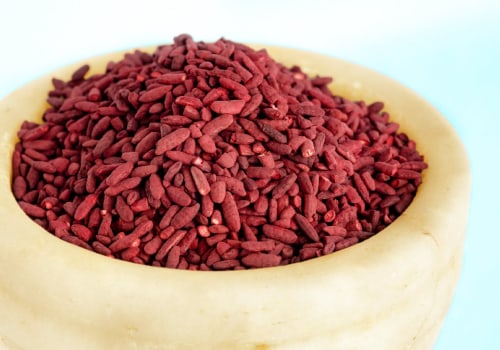
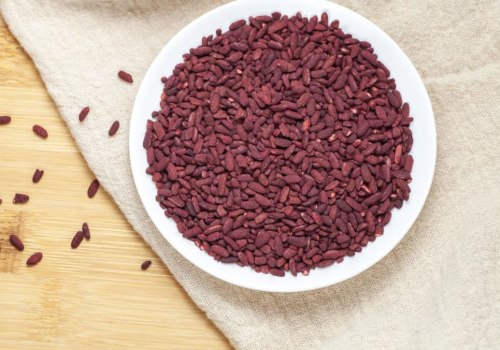
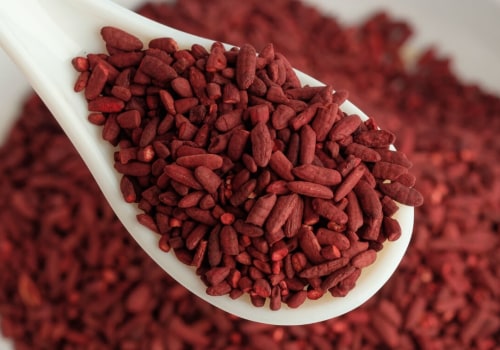
Red yeast rice, a traditional Chinese culinary ingredient, has gained significant attention in recent years for its potential health benefits, particularly concerning heart health. This unique product is created by fermenting white rice with a specific type of mold known as Monascus purpureus. The fermentation process not only imparts a distinctive reddish hue to the rice but also enhances its nutritional profile, making it a valuable addition to various diets. Historically, red yeast rice has been used in Asian medicine for centuries, primarily for its ability to promote digestion and improve blood circulation. The primary appeal of red yeast rice lies in its natural compounds, particularly monacolin K, which is chemically identical to the active ingredient found in statin medications.
This similarity has led to its reputation as a natural alternative for managing cholesterol levels. Numerous studies have indicated that red yeast rice can effectively lower total cholesterol and LDL (low-density lipoprotein) cholesterol levels, which are often referred to as "bad" cholesterol. As such, many individuals seeking to improve their heart health are turning to this natural remedy as a means of supporting their cardiovascular system. In addition to its cholesterol-lowering properties, red yeast rice is believed to offer other health benefits. Some research suggests that it may possess anti-inflammatory and antioxidant effects, which can further contribute to overall heart health.
Furthermore, the historical use of red yeast rice in traditional medicine highlights its long-standing reputation as a beneficial supplement. However, while the potential red yeast rice benefits are promising, it is essential for consumers to approach this supplement with caution and awareness of possible risks and interactions with other medications.
The Heart Health Benefits of Red Yeast Rice
Red yeast rice (RYR) has gained significant attention in recent years for its potential heart health benefits. This traditional Chinese food product, made by fermenting rice with the yeast Monascus purpureus, contains several compounds that may contribute to cardiovascular wellness, particularly its ability to lower cholesterol levels. One of the primary components of red yeast rice is monacolin K , a natural statin that has been shown to effectively reduce levels of low-density lipoprotein (LDL) cholesterol, often referred to as "bad" cholesterol. Numerous studies have demonstrated that RYR can lead to significant reductions in total cholesterol and LDL cholesterol levels.For instance, a meta-analysis published in the journal Nutrition, Metabolism & Cardiovascular Diseases found that participants taking red yeast rice experienced an average reduction of 20-30% in LDL cholesterol compared to those receiving a placebo. In addition to lowering cholesterol, red yeast rice may also provide other cardiovascular benefits. Research indicates that it can help improve endothelial function, which is crucial for maintaining healthy blood vessels. A study published in the American Journal of Cardiology highlighted that RYR supplementation improved endothelial function in patients with hyperlipidemia, suggesting a protective effect against atherosclerosis. Moreover, red yeast rice may play a role in reducing inflammation, a key factor in heart disease. Chronic inflammation can lead to plaque buildup in arteries, increasing the risk of heart attacks and strokes.
Some studies suggest that the antioxidant properties of RYR can help mitigate oxidative stress and inflammation, further supporting cardiovascular health. While the benefits of red yeast rice are promising, it is essential to approach its use with caution. The concentration of monacolin K can vary significantly between different RYR products, which may affect their efficacy and safety. Therefore, individuals considering RYR as a supplement should consult healthcare professionals for personalized advice and monitoring. In summary, red yeast rice offers notable cholesterol-lowering effects and potential cardiovascular benefits. Its ability to reduce LDL cholesterol levels and improve endothelial function makes it an appealing option for those seeking natural ways to support heart health.
However, as with any supplement, it is crucial to consider individual health conditions and consult with a healthcare provider before starting any new regimen.
How Red Yeast Rice Works in the Body
Red yeast rice (RYR) is a traditional Chinese food product that has gained attention in the Western world for its potential health benefits, particularly in relation to heart health. The primary active compound in red yeast rice is monacolin K , a naturally occurring statin that plays a crucial role in lowering cholesterol levels. Monacolin K works by inhibiting the enzyme HMG-CoA reductase, which is essential for the synthesis of cholesterol in the liver. By blocking this enzyme, monacolin K effectively reduces the production of cholesterol, leading to lower levels of low-density lipoprotein (LDL) cholesterol, often referred to as "bad" cholesterol. This mechanism is similar to that of prescription statins, making red yeast rice a natural alternative for individuals seeking to manage their cholesterol levels. In addition to monacolin K, red yeast rice contains several other beneficial compounds that contribute to its heart health properties:- Polyketides: These compounds have been shown to possess antioxidant properties, which can help reduce oxidative stress and inflammation in the body.
Chronic inflammation is a known risk factor for cardiovascular diseases.
- Beta-sitosterol: This plant sterol can help lower cholesterol absorption in the intestines, further supporting healthy cholesterol levels.
- Isoflavones: Found in various fermented foods, these compounds may help improve blood vessel function and reduce the risk of heart disease.
Therefore, consulting with a healthcare professional before starting any new supplement regimen is highly recommended. In summary, understanding how red yeast rice works in the body—primarily through its active compound monacolin K—can help individuals appreciate its potential benefits for heart health while remaining aware of the importance of responsible usage.
Potential Risks and Side Effects of Red Yeast Rice
While red yeast rice (RYR) is often praised for its potential heart health benefits, it is crucial to consider the risks and side effects associated with its consumption. Understanding these risks can help individuals make informed decisions about incorporating this supplement into their health regimen. One of the primary concerns regarding red yeast rice is its potential to cause liver damage. The active compound in RYR, monacolin K, is chemically similar to the statin medications prescribed for lowering cholesterol. As such, it can lead to similar side effects, including liver toxicity.Reports have indicated cases of elevated liver enzymes in individuals taking RYR supplements, which may signal liver distress. Regular monitoring of liver function is advisable for anyone considering RYR, especially those with pre-existing liver conditions. In addition to liver issues, red yeast rice can also interact with various medications. Individuals taking statins should exercise caution, as combining RYR with these drugs can amplify the risk of adverse effects such as muscle pain and damage. Other medications that may interact negatively with RYR include:
- Antibiotics: Certain antibiotics can increase the risk of muscle-related side effects when taken with RYR.
- Antidepressants: Some antidepressants may also interact with the compounds in red yeast rice, leading to increased side effects.
- Antifungals: Similar to antibiotics, antifungal medications can heighten the risk of complications when combined with RYR.
- Antiretrovirals: Those on antiretroviral therapy should be cautious, as interactions could affect drug efficacy and safety.
Some users report experiencing symptoms such as bloating, gas, or diarrhea after taking RYR supplements. These digestive issues can vary in severity and may deter some individuals from continuing their use. Furthermore, the quality and concentration of red yeast rice products can vary significantly between brands. Some supplements may contain higher levels of monacolin K than others, which could increase the risk of side effects. It is essential to choose high-quality products from reputable manufacturers and consult healthcare professionals before starting any new supplement. In summary, while red yeast rice offers potential benefits for heart health, it is not without its risks.
Individuals should be aware of the possibility of liver damage, medication interactions, gastrointestinal issues, and variability in product quality. Consulting a healthcare provider before beginning RYR supplementation is crucial for ensuring safety and effectiveness.
Who Should Consider Taking Red Yeast Rice?
Red yeast rice (RYR) has gained traction as a natural supplement for those looking to manage their cholesterol levels and improve heart health. However, it is essential to understand who might benefit from this supplement and who should approach it with caution.Who Should Consider Taking Red Yeast Rice?
- Individuals with High Cholesterol: Those diagnosed with elevated cholesterol levels may find red yeast rice beneficial. The active compounds in RYR, particularly monacolin K, have been shown to help lower LDL (bad) cholesterol and improve overall lipid profiles.
- People Seeking Natural Alternatives: For individuals who prefer natural remedies over pharmaceutical options, red yeast rice can serve as a viable alternative to statins, especially for those who experience side effects from conventional medications.
- Individuals with a Family History of Heart Disease: If heart disease runs in your family, incorporating red yeast rice into your health regimen may provide additional support in managing cholesterol levels and reducing cardiovascular risks.
Who Should Avoid Red Yeast Rice?
- Pregnant or Nursing Women: Due to limited research on the safety of RYR during pregnancy and lactation, it is advisable for women in these categories to avoid this supplement.
- Individuals with Liver Conditions: Those with pre-existing liver issues should steer clear of red yeast rice, as it can potentially exacerbate liver problems or lead to further complications.
- People Taking Certain Medications: Red yeast rice can interact with various medications, particularly statins and other cholesterol-lowering drugs.
If you are on such medications, consult your healthcare provider before starting RYR.
Safe Use of Red Yeast Rice
If you decide to incorporate red yeast rice into your health routine, consider the following guidelines for safe usage:
- Consult a Healthcare Professional: Always discuss with your doctor or a qualified healthcare provider before starting any new supplement, especially if you have underlying health conditions or are taking other medications.
- Monitor Dosage: Pay attention to the dosage of monacolin K in the product you choose. The FDA has set limits on the amount of this active ingredient in over-the-counter supplements to ensure safety.
- Be Aware of Side Effects: While many people tolerate red yeast rice well, some may experience side effects such as digestive discomfort or muscle pain. If you notice any adverse reactions, discontinue use and consult your healthcare provider.
Comparing Red Yeast Rice with Conventional Cholesterol Medications
When considering options for managing cholesterol levels, many individuals find themselves weighing the benefits and risks of red yeast rice against conventional medications such as statins.Both approaches aim to lower cholesterol, but they do so through different mechanisms and with varying implications for health.
Effectiveness
Red yeast rice contains a natural compound called monacolin K, which is chemically identical to the active ingredient in statins, known as lovastatin. This similarity suggests that red yeast rice may be effective in lowering low-density lipoprotein (LDL) cholesterol levels. Some studies indicate that red yeast rice can reduce LDL cholesterol by 20% to 30%, comparable to the effects seen with statin medications.
However, while red yeast rice may offer significant cholesterol-lowering benefits, it is essential to note that the degree of effectiveness can vary widely among individuals. Factors such as diet, lifestyle, and genetic predispositions play a crucial role in how well either treatment works.
Safety and Side Effects
One of the primary advantages of red yeast rice is its potential for fewer side effects compared to statins.
Many patients taking statins report adverse effects such as muscle pain, liver damage, and digestive issues. In contrast, red yeast rice may present a milder side effect profile; however, it is not without risks. Some users have reported muscle pain and liver toxicity, particularly when taken in high doses or combined with other medications.
Moreover, because red yeast rice is a dietary supplement rather than a regulated pharmaceutical, the quality and concentration of monacolin K can vary significantly between products. This inconsistency raises concerns about safety and efficacy.
Natural Alternatives to Statins
For those seeking natural alternatives to statins, red yeast rice stands out as a popular option.
Other natural remedies include omega-3 fatty acids, plant sterols, and soluble fiber, all of which have shown promise in managing cholesterol levels. However, these alternatives may not provide the same level of effectiveness as red yeast rice or statins.
Conclusion
Ultimately, the choice between red yeast rice and conventional cholesterol medications like statins should be made in consultation with a healthcare provider. Each option has its unique benefits and risks, and what works best will depend on individual health profiles and treatment goals. Understanding these differences can empower patients to make informed decisions about their heart health.
Frequently Asked Questions about Red Yeast Rice
Red yeast rice (RYR) has gained popularity as a natural supplement for heart health, but many people have questions about its safety, efficacy, and potential side effects.Below are some of the most frequently asked questions regarding red yeast rice.
What is red yeast rice?
Red yeast rice is a fermented product made by culturing rice with a specific type of mold called Monascus purpureus. This fermentation process not only gives the rice its distinctive red color but also produces several compounds, including monacolin K, which is chemically identical to the active ingredient in statin medications used to lower cholesterol.What are the primary benefits of red yeast rice?
- Cholesterol Reduction: Numerous studies suggest that red yeast rice can effectively lower levels of LDL (bad) cholesterol and total cholesterol.
- Heart Health: By managing cholesterol levels, RYR may contribute to overall cardiovascular health and reduce the risk of heart disease.
- Anti-Inflammatory Properties: Some research indicates that RYR may help reduce inflammation in the body, which is beneficial for heart health.
- Potential Cancer Inhibition: Preliminary studies suggest that compounds in RYR may inhibit cancer cell growth, although more research is needed in this area.
Is red yeast rice safe to take?
While many people tolerate red yeast rice well, it is essential to approach it with caution. Some potential risks include:- Liver Damage: There have been reports of liver toxicity associated with RYR supplements, particularly at high doses.
- Drug Interactions: Red yeast rice can interact with other medications, especially statins and certain antibiotics, leading to increased risk of side effects.
- Quality Control Issues: The concentration of monacolin K can vary significantly between different brands and batches of RYR products, making it crucial to choose high-quality supplements from reputable sources.
Who should avoid taking red yeast rice?
Certain individuals should exercise caution or avoid red yeast rice altogether:- Those with liver disease or elevated liver enzymes.
- Individuals who are pregnant or breastfeeding.
- People taking medications that may interact with RYR.
Conclusion: Weighing the Benefits Against the Risks
In summary, the exploration of red yeast rice benefits reveals a complex interplay between its potential advantages and associated risks. This natural supplement has garnered attention for its ability to lower cholesterol levels, which can be particularly beneficial for individuals struggling with heart health issues.The presence of monacolin K, a compound similar to statins, suggests that red yeast rice may offer a viable alternative for those seeking to manage their cholesterol without resorting to prescription medications. However, it is crucial to approach red yeast rice with caution. While many users report positive outcomes, the potential for adverse effects cannot be overlooked. Cases of liver damage and interactions with other medications highlight the importance of consulting a healthcare professional before incorporating this supplement into your routine. Understanding your individual health needs and any existing conditions is essential in making an informed decision. Moreover, the current body of research, while promising, is still evolving.
Many studies have focused on short-term effects, leaving questions about the long-term implications of red yeast rice consumption unanswered. As such, individuals should remain vigilant and informed about ongoing research developments. Ultimately, the decision to use red yeast rice should be made with careful consideration of both its potential benefits and risks. Engaging in a dialogue with a healthcare provider can help clarify whether this supplement aligns with your health goals and circumstances. By weighing these factors thoughtfully, you can make a more informed choice that supports your heart health in a safe and effective manner.