The Truth About Red Yeast Rice: Benefits, Risks, and Who Should Avoid It
Discover the benefits and risks of red yeast rice. Learn who should avoid this natural supplement for cholesterol management.
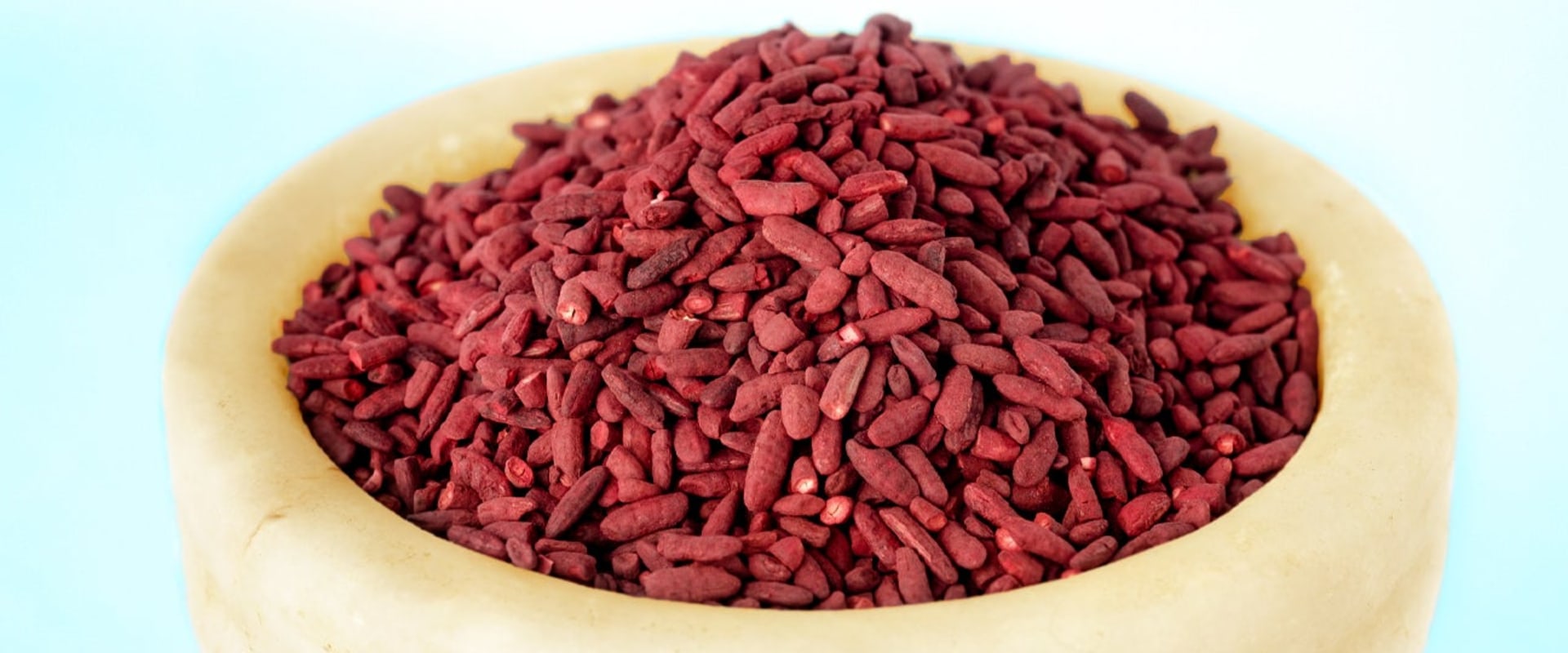
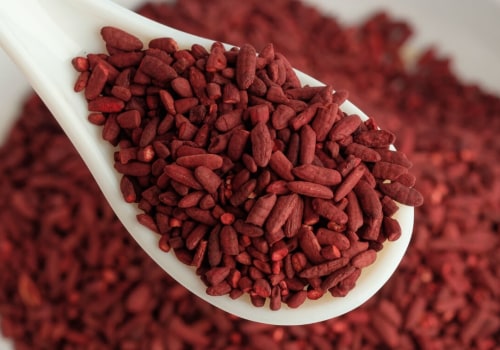
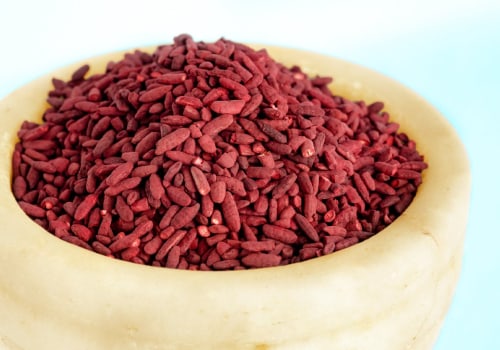
Red yeast rice is a traditional Chinese food and medicinal product that has gained popularity in the Western world as a natural supplement for managing cholesterol levels. It is made by fermenting white rice with a specific type of mold called Monascus purpureus. This fermentation process not only gives the rice its distinctive reddish color but also enhances its nutritional profile, making it a source of various bioactive compounds, including monacolin K, which is structurally similar to the active ingredient in statin medications. The origins of red yeast rice can be traced back over a thousand years, where it was used in Asian cuisine and traditional medicine. In addition to its culinary uses, it has been employed in herbal remedies to promote heart health and improve digestion.
The historical significance of red yeast rice underscores its long-standing reputation as a natural remedy, which has led many to explore its potential benefits in modern health practices. One of the primary reasons individuals turn to red yeast rice is its potential to lower cholesterol levels. Research suggests that the monacolin K found in red yeast rice can inhibit cholesterol synthesis in the liver, thereby reducing overall cholesterol levels in the bloodstream. This effect has made it an appealing alternative for those seeking to manage their cholesterol without resorting to prescription medications. However, it is essential to understand that while red yeast rice may offer certain health benefits, it is not without risks and should be approached with caution. As we delve deeper into the topic of red yeast rice, it is crucial to consider both its potential advantages and the groups of people who may need to avoid it.
Understanding how red yeast rice is produced and its traditional uses will provide a solid foundation for evaluating its role in contemporary health and wellness discussions.
Health Benefits of Red Yeast Rice
Red yeast rice, a traditional Chinese culinary ingredient, has gained recognition in the health community for its potential health benefits , particularly in managing cholesterol levels. This natural supplement is derived from fermented rice that has been colored red by the yeast Monascus purpureus. The primary active compound in red yeast rice is monacolin K , which is chemically identical to the active ingredient in the prescription statin lovastatin. This similarity is what makes red yeast rice a popular choice for those seeking natural alternatives to pharmaceutical cholesterol-lowering medications. One of the most significant red yeast rice health benefits is its ability to lower total cholesterol and LDL (low-density lipoprotein) cholesterol levels.Numerous studies have demonstrated that monacolin K can inhibit the enzyme HMG-CoA reductase, which plays a crucial role in cholesterol synthesis in the liver. By blocking this enzyme, red yeast rice can effectively reduce the amount of cholesterol produced by the body, leading to improved heart health. In addition to lowering cholesterol, red yeast rice may also have other cardiovascular benefits. Some research suggests that it can help improve blood circulation and reduce inflammation, both of which are essential for maintaining a healthy heart. Furthermore, red yeast rice contains several other beneficial compounds, including antioxidants and phytosterols, which can contribute to overall cardiovascular health. For individuals looking to manage their cholesterol levels naturally, incorporating red yeast rice into their diet may be a viable option.
However, it is essential to approach this supplement with caution. The concentration of monacolin K can vary significantly between different products, making it crucial for consumers to choose high-quality supplements from reputable manufacturers. Moreover, while red yeast rice offers promising cholesterol management benefits, it is not without potential side effects. Some individuals may experience muscle pain or liver issues similar to those associated with statin medications. Therefore, it is advisable to consult with a healthcare professional before starting any new supplement regimen. In summary, red yeast rice presents a natural alternative for those seeking to manage their cholesterol levels effectively.
With its active compound monacolin K and additional heart-healthy properties, it can play a significant role in promoting cardiovascular wellness when used responsibly.
Potential Risks and Side Effects
While red yeast rice is often praised for its potential health benefits, particularly in lowering cholesterol levels, it is crucial to understand the associated risks and side effects that may arise from its consumption. This natural supplement can pose significant health concerns for certain individuals, making it essential to evaluate who should avoid it. One of the primary concerns with red yeast rice is its similarity to prescription statins. The active compound in red yeast rice, monacolin K , shares a chemical structure with lovastatin, a commonly prescribed statin medication. This similarity means that red yeast rice can produce effects similar to those of statins, including the potential for muscle pain and liver damage.Individuals who are already taking statins should exercise caution, as combining these substances can lead to an increased risk of adverse effects. Moreover, the unregulated nature of red yeast rice supplements raises additional concerns. The amount of monacolin K can vary significantly between products, making it difficult for consumers to determine the appropriate dosage and potential side effects. This inconsistency can lead to unintentional overdosing or underdosing, further complicating its safety profile. Specific groups of people should be particularly cautious or avoid red yeast rice altogether:
- Pregnant or breastfeeding women: There is limited research on the safety of red yeast rice during pregnancy and lactation. Animal studies have indicated potential risks, including birth defects, which necessitate caution. There is limited research on the safety of red yeast rice during pregnancy and lactation. Animal studies have indicated potential risks, including birth defects, which necessitate caution.
- Individuals with liver or kidney disease: Since red yeast rice can affect liver function and may exacerbate existing conditions, those with liver or kidney issues should avoid this supplement.
-
People taking other medications: Red yeast rice may interact with various medications, including blood thinners and other cholesterol-lowering drugs.
Consulting a healthcare professional is essential before starting any new supplement.
- Individuals with a history of muscle disorders: Given the risk of muscle-related side effects associated with statins, those with a history of myopathy or rhabdomyolysis should steer clear of red yeast rice.
Who Should Avoid Red Yeast Rice?
While red yeast rice is often praised for its potential cholesterol-lowering benefits, it is crucial to recognize that not everyone should consider it as a supplement. Certain populations may face significant risks when using red yeast rice, and understanding these contraindications is essential for ensuring safety and well-being.Pregnant Women
One of the most critical groups to avoid red yeast rice is pregnant women.The fermentation process used to create red yeast rice can introduce harmful by-products, such as citrinin, which has been linked to birth defects in animal studies. The potential risks associated with citrinin exposure during pregnancy raise serious concerns about the safety of red yeast rice for expectant mothers. Therefore, if you are pregnant or planning to become pregnant, it is advisable to steer clear of this supplement and consult with a healthcare professional regarding safe alternatives for managing cholesterol levels.
Individuals with Liver or Kidney Disease
People with pre-existing liver or kidney conditions should also exercise caution when considering red yeast rice. The active ingredient in red yeast rice, monacolin K, shares a similar structure with statin medications, which can place additional strain on the liver.For individuals already dealing with liver disease, the use of red yeast rice could exacerbate their condition and lead to further complications. Similarly, those with kidney issues may find that red yeast rice can negatively impact their renal function. The kidneys play a vital role in filtering out toxins and waste products from the body, and introducing substances like monacolin K could hinder their ability to perform this function effectively. It is essential for individuals with liver or kidney disease to consult their healthcare provider before considering any new supplements.
Interactions with Medications
Another important consideration is the potential for interactions between red yeast rice and certain medications. Since red yeast rice contains monacolin K, which functions similarly to statins, it can amplify the effects of other cholesterol-lowering drugs.This could lead to an increased risk of side effects such as muscle pain or liver damage. If you are currently taking medications for cholesterol management or any other health conditions, it is vital to discuss the use of red yeast rice with your doctor. They can help determine whether this supplement is appropriate for you based on your overall health status and medication regimen. In summary, while red yeast rice may offer some health benefits, it is not suitable for everyone. Pregnant women, individuals with liver or kidney disease, and those on specific medications should avoid this supplement unless advised otherwise by a healthcare professional. Always prioritize safety and consult your doctor before starting any new supplement regimen.
Consulting Healthcare Professionals
When considering the incorporation of red yeast rice into your health regimen, it is crucial to engage in a thorough discussion with your healthcare provider.This step is essential not only for your safety but also for ensuring that any potential benefits align with your individual health needs.
Why Consult a Healthcare Professional?
- Personalized Health Assessment: Every individual has unique health circumstances, including pre-existing conditions, current medications, and lifestyle factors. A healthcare professional can evaluate these aspects to determine if red yeast rice is appropriate for you.
- Understanding Interactions: Red yeast rice may interact with other medications, particularly those prescribed for cholesterol management or heart health. Discussing your current medication list with your doctor can help identify any potential risks.
- Monitoring Side Effects: While many people may tolerate red yeast rice well, some may experience side effects similar to those associated with statin medications. Your healthcare provider can guide you on what to watch for and how to manage any adverse reactions.
How to Approach the Conversation
When preparing to speak with your doctor about red yeast rice, consider the following tips:
-
Be Informed: Research the benefits and risks associated with red yeast rice.
This knowledge will help you ask informed questions and express any concerns you may have.
- Share Your Health Goals: Clearly communicate why you are interested in red yeast rice. Whether it’s for cholesterol management or overall wellness, sharing your goals can help your doctor provide tailored advice.
- Discuss All Supplements: If you are taking other supplements or over-the-counter medications, be sure to mention them. This information is vital for assessing potential interactions.
- Ask About Alternatives: If your doctor advises against red yeast rice, inquire about alternative options that may be safer or more effective for your situation.
Safe Supplement Practices
In addition to consulting with a healthcare professional, adopting safe supplement practices is essential:
- Choose Quality Products: Look for reputable brands that provide third-party testing and transparent ingredient lists. This ensures that you are consuming a product that meets safety standards.
-
Follow Recommended Dosages: Adhere to the dosage recommended by your healthcare provider or as indicated on the product label.
Overconsumption can lead to unwanted side effects.
- Regular Check-Ups: Schedule regular follow-ups with your healthcare provider to monitor your health status and adjust any supplement regimens as necessary.
Alternatives to Red Yeast Rice
For those seeking to manage cholesterol levels without resorting to red yeast rice, there are several natural alternatives and lifestyle changes that can be effective. These options not only support heart health but also promote overall well-being.Natural Supplements for Cholesterol Management
Several supplements have been shown to help lower cholesterol levels naturally:- Omega-3 Fatty Acids: Found in fish oil and flaxseed oil, omega-3 fatty acids can help reduce triglycerides and improve overall heart health.
- Plant Sterols and Stanols: These substances, found in certain fortified foods and supplements, can block the absorption of cholesterol in the intestines, leading to lower LDL cholesterol levels.
- Niacin (Vitamin B3): Niacin can help raise HDL (good) cholesterol while lowering LDL (bad) cholesterol and triglycerides. However, it should be taken under medical supervision due to potential side effects.
- Soluble Fiber: Supplements containing psyllium husk or oat bran can help lower cholesterol by binding to it in the digestive system and promoting its excretion.
Lifestyle Changes for Heart Health
In addition to supplements, making certain lifestyle changes can significantly impact cholesterol levels:-
Dietary Adjustments: Adopting a heart-healthy diet rich in fruits, vegetables, whole grains, and healthy fats (like those from avocados and nuts) can help manage cholesterol levels.
Reducing saturated fat intake from red meat and full-fat dairy products is also beneficial.
- Regular Exercise: Engaging in physical activity for at least 150 minutes a week can help raise HDL cholesterol while lowering LDL cholesterol. Activities like walking, cycling, and swimming are excellent choices.
- Weight Management: Maintaining a healthy weight can positively influence cholesterol levels. Even a modest weight loss of 5-10% can lead to significant improvements.
- Avoiding Tobacco and Limiting Alcohol: Quitting smoking improves HDL cholesterol levels, while excessive alcohol consumption can lead to higher triglyceride levels. Moderation is key.
By incorporating these supplements and lifestyle changes into your routine, you can take proactive steps toward better heart health.
Frequently Asked Questions (FAQs)
Is Red Yeast Rice Safe?
Red yeast rice is generally considered safe for many individuals when taken in appropriate doses. However, it is crucial to recognize that safety can vary based on individual health conditions and other factors. For instance, those with liver or kidney issues should exercise caution, as red yeast rice can exacerbate these conditions. Additionally, pregnant or breastfeeding women are advised to avoid it due to potential risks to fetal development and infant health. Moreover, the quality and concentration of active ingredients in red yeast rice supplements can differ significantly between brands.Some products may contain harmful by-products like citrinin, which can pose health risks. Therefore, it is essential to choose high-quality supplements from reputable manufacturers and consult a healthcare professional before starting any new supplement regimen.
How Does Red Yeast Rice Work?
Red yeast rice works primarily through its active ingredient, monacolin K, which is chemically identical to the statin drug lovastatin. This compound inhibits the enzyme HMG-CoA reductase, which plays a critical role in cholesterol production in the liver. By blocking this enzyme, red yeast rice can help lower levels of low-density lipoprotein (LDL) cholesterol, often referred to as "bad" cholesterol. In addition to lowering cholesterol levels, red yeast rice may also have antioxidant properties that contribute to overall heart health.Some studies suggest that it can improve blood circulation and reduce inflammation, further supporting cardiovascular wellness.
Can You Take Red Yeast Rice with Statins?
Combining red yeast rice with prescription statins is generally not recommended without medical supervision. Since both substances contain monacolin K, taking them together could lead to an increased risk of side effects such as muscle pain, liver damage, and digestive issues. If you are currently on statin therapy and considering red yeast rice as a supplement, it is vital to discuss this with your healthcare provider. Your doctor can help assess your specific health needs and determine whether incorporating red yeast rice into your regimen is safe and beneficial for you. Always prioritize safety and informed decision-making when it comes to managing your cholesterol levels.Conclusion: Weighing the Benefits Against the Risks
In summary, the discussion surrounding red yeast rice is multifaceted, encompassing both potential health benefits and significant risks.As we have explored, this natural supplement has garnered attention for its ability to lower cholesterol levels, making it an appealing alternative for those seeking to manage their heart health without resorting to prescription medications. However, it is crucial to approach this supplement with caution. One of the primary benefits of red yeast rice is its active ingredient, monacolin K , which has been shown to inhibit cholesterol production in the liver. This can lead to improved lipid profiles for some individuals. Additionally, red yeast rice may offer antioxidant properties and support overall cardiovascular health.
However, the effectiveness of these benefits can vary significantly among individuals due to factors such as dosage and product quality. Despite these potential advantages, there are notable risks associated with red yeast rice that cannot be overlooked. The presence of citrinin , a toxic by-product of the fermentation process, raises concerns about safety, particularly for pregnant women or those with existing health conditions. Furthermore, the similarity of monacolin K to statin medications means that individuals taking other medications may experience adverse interactions. Moreover, the lack of regulation in the supplement industry can lead to inconsistencies in product potency and purity. This uncertainty makes it challenging for consumers to determine whether they are receiving a safe and effective dose of red yeast rice. Ultimately, the decision to incorporate red yeast rice into one’s health regimen should be made with careful consideration and professional guidance.
Consulting with a healthcare provider is essential for anyone considering this supplement, especially those who are pregnant, have pre-existing medical conditions, or are currently taking other medications. In conclusion, while red yeast rice may offer certain health benefits, it is imperative to weigh these against the potential risks. A well-informed decision can help ensure that individuals prioritize their health and safety while exploring natural alternatives for cholesterol management.