The Truth About Red Yeast Rice: An Expert's Perspective on Its Benefits and Risks
Discover the benefits and risks of red yeast rice for cholesterol management from an expert's perspective. Learn more about its active ingredient, monacolin K.
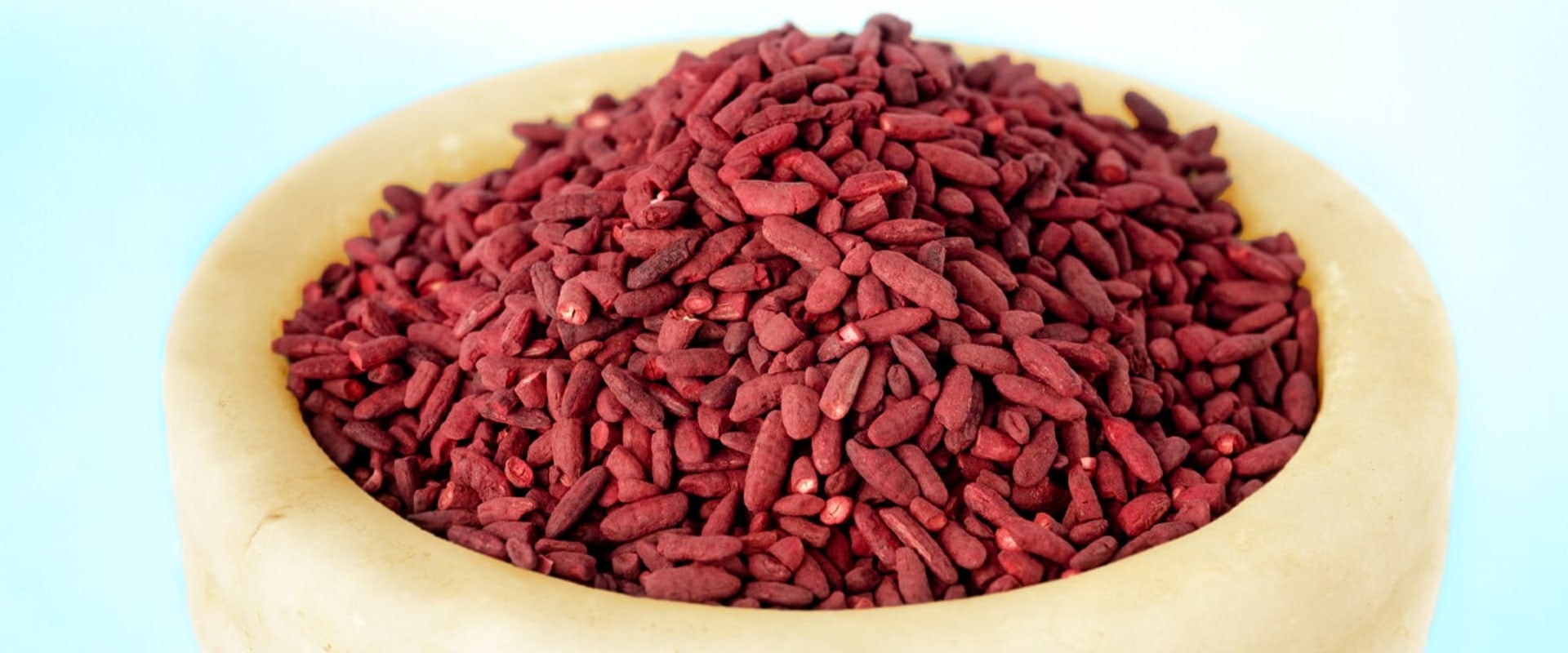
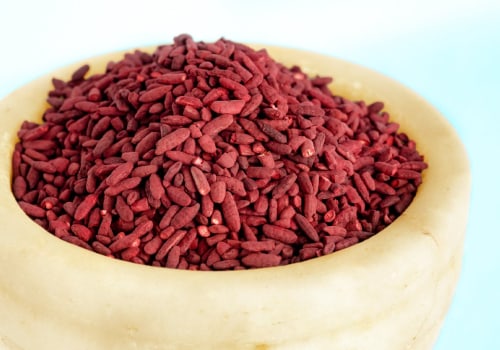
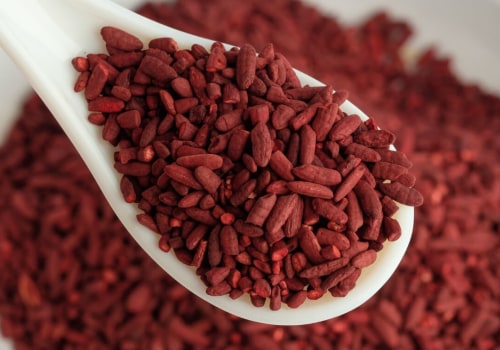
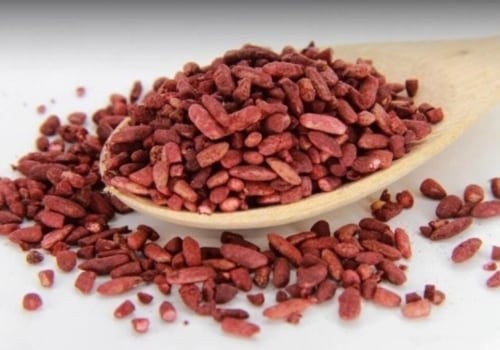
Red yeast rice, a traditional Chinese culinary ingredient, has gained significant attention in recent years for its potential health benefits, particularly in managing cholesterol levels. This unique product is created through the fermentation of rice with a specific strain of yeast known as Monascus purpureus. The result is a vibrant red-colored rice that has been used for centuries not only as a food additive but also in traditional medicine. Its historical roots can be traced back to ancient China, where it was utilized for its preservative qualities and as a natural dye in various dishes. In addition to its culinary applications, red yeast rice has been recognized for its medicinal properties.
It contains several bioactive compounds, the most notable being monacolin K , which is chemically identical to the active ingredient in the prescription cholesterol-lowering medication lovastatin. This connection has sparked interest among health enthusiasts and researchers alike, as many seek natural alternatives to conventional pharmaceuticals. The potential red yeast rice benefits extend beyond cholesterol management; it is also believed to support cardiovascular health and improve overall well-being. Despite its promising advantages, it is essential to approach red yeast rice with caution. The quality and concentration of active ingredients can vary significantly between products, leading to inconsistent results.
Furthermore, some manufacturers may illegally add lovastatin to their formulations, raising concerns about safety and regulatory compliance. As we delve deeper into the world of red yeast rice, understanding its origins, traditional uses, and potential health benefits will provide valuable insights for those considering this supplement as part of their health regimen.
The Active Ingredient: Monacolin K
At the heart of red yeast rice's potential health benefits lies its active compound, monacolin K. This naturally occurring substance is a type of statin, which means it functions similarly to prescription medications designed to lower cholesterol levels. Understanding how monacolin K works is crucial for anyone considering red yeast rice as a supplement for managing cholesterol.Mechanism of Action
Monacolin K operates by inhibiting the enzyme HMG-CoA reductase, which plays a pivotal role in the body’s cholesterol production process.
By blocking this enzyme, monacolin K effectively reduces the synthesis of cholesterol in the liver. This action leads to a decrease in total cholesterol levels, particularly low-density lipoprotein (LDL) cholesterol, often referred to as "bad" cholesterol. Lowering LDL cholesterol is essential for reducing the risk of cardiovascular diseases, including heart attacks and strokes.
Benefits of Monacolin K
- Cholesterol Management: Numerous studies have demonstrated that monacolin K can significantly lower LDL cholesterol levels. In some cases, reductions have been comparable to those achieved with conventional statin medications.
- Heart Health: By lowering LDL cholesterol and potentially raising high-density lipoprotein (HDL) cholesterol, or "good" cholesterol, monacolin K contributes to overall heart health and reduces the risk of atherosclerosis.
- Natural Alternative: For individuals seeking natural alternatives to pharmaceutical statins, red yeast rice provides a viable option.
It may appeal to those who prefer holistic approaches to health management.
- Potential Anti-Inflammatory Effects: Some research suggests that monacolin K may possess anti-inflammatory properties, which could further benefit cardiovascular health by reducing inflammation in blood vessels.
Health Benefits of Red Yeast Rice
Red yeast rice has gained significant attention in the realm of natural health solutions, particularly for its potential to support heart health and manage cholesterol levels.This fermented rice product, which is produced by culturing rice with a specific strain of yeast known as Monascus purpureus, contains several bioactive compounds that contribute to its health benefits. One of the most notable components of red yeast rice is monacolin K , a naturally occurring statin that has been shown to effectively lower levels of low-density lipoprotein (LDL) cholesterol, often referred to as "bad" cholesterol. Numerous studies have demonstrated that individuals who incorporate red yeast rice into their diets can experience significant reductions in total cholesterol and LDL cholesterol levels. For instance, a meta-analysis of clinical trials indicated that participants taking red yeast rice supplements saw an average decrease in LDL cholesterol by approximately 20% to 30%. In addition to its cholesterol-lowering effects, red yeast rice may also contribute to overall heart health. By reducing LDL cholesterol levels, it helps decrease the risk of atherosclerosis, a condition characterized by the buildup of fatty deposits in the arteries, which can lead to heart attacks and strokes.
Furthermore, some research suggests that red yeast rice may improve endothelial function, which is crucial for maintaining healthy blood vessels and proper circulation. Beyond its impact on cholesterol and heart health, red yeast rice is also rich in antioxidants. These compounds help combat oxidative stress in the body, which is linked to various chronic diseases, including cardiovascular disease. By neutralizing free radicals, antioxidants can protect cells from damage and promote overall well-being. However, while the benefits of red yeast rice are promising, it is essential for individuals considering this supplement to consult with healthcare professionals. This is particularly important for those who are already on cholesterol-lowering medications or have underlying health conditions.
The quality and concentration of monacolin K can vary significantly between different brands and products, making professional guidance crucial for safe and effective use. In summary, red yeast rice offers a natural approach to managing cholesterol levels and supporting heart health. Its unique composition not only aids in lowering LDL cholesterol but also provides antioxidant benefits that contribute to overall cardiovascular wellness. As with any supplement, informed decision-making and professional consultation are key to maximizing its potential benefits.
Potential Risks and Side Effects
While red yeast rice is often touted for its potential benefits in lowering cholesterol levels, it is crucial to consider the risks and side effects associated with its use. Understanding these concerns can help individuals make informed decisions about incorporating this supplement into their health regimen.Common Side Effects
Like any supplement, red yeast rice can cause side effects in some individuals.The most frequently reported side effects include:
- Digestive Issues: Some users may experience gastrointestinal discomfort, including bloating, gas, or diarrhea.
- Muscle Pain: Myopathy, or muscle pain and weakness, has been reported in some cases, particularly at higher doses.
- Headaches: Some individuals may experience headaches as a reaction to the supplement.
- Liver Damage: There is a potential risk of liver toxicity, especially if taken in conjunction with other medications that affect liver function.
Safety Concerns
The safety of red yeast rice supplements can vary significantly due to differences in manufacturing practices. Some key safety concerns include:- Inconsistent Potency: The amount of monacolin K can differ widely between products, leading to unpredictable effects and potential overdosing.
- Contamination Risks: Some red yeast rice products may be contaminated with harmful substances, such as citrinin, a mycotoxin that can cause kidney damage.
- Drug Interactions: Red yeast rice can interact with other medications, particularly those that also lower cholesterol or affect liver enzymes. This can increase the risk of side effects or reduce the effectiveness of treatments.
Consultation with Healthcare Professionals
Given these potential risks and side effects, it is essential to consult with a healthcare professional before starting red yeast rice. A doctor can provide personalized advice based on individual health conditions and medications.They can also monitor for any adverse reactions during supplementation. In conclusion, while red yeast rice may offer benefits for cholesterol management, it is vital to weigh these against the possible risks and side effects. Being well-informed and cautious can help ensure a safer approach to using this supplement.
Quality Control and Regulation Issues
The regulatory landscape surrounding red yeast rice products is complex and often confusing for consumers. As a natural supplement, red yeast rice is not subject to the same rigorous testing and approval processes as pharmaceutical drugs. This lack of oversight can lead to significant quality control issues, making it essential for consumers to be informed about what they are purchasing. One of the primary concerns with red yeast rice supplements is the inconsistency in the levels of monacolin K, the active ingredient responsible for its cholesterol-lowering effects.Due to variations in the fermentation process and the strains of yeast used, different products can contain vastly different amounts of this compound. Some products may even contain harmful substances as a result of poor manufacturing practices. The U. S. Food and Drug Administration (FDA) has issued warnings regarding certain red yeast rice products that illegally contain added lovastatin, a prescription medication.
These products are not only illegal but can also pose serious health risks due to their unregulated nature. The FDA has taken action against companies that market these supplements, emphasizing that if a product contains high levels of monacolin K, it is classified as an unapproved drug. In addition to FDA warnings, consumers should be aware of the potential for contamination in dietary supplements. A study conducted by the U. Pharmacopeia found that many supplements, including red yeast rice, did not meet quality standards.
This raises concerns about the safety and efficacy of these products. To navigate these challenges, consumers should:
- Consult Healthcare Professionals: Before starting any new supplement, including red yeast rice, it’s crucial to discuss it with a healthcare provider who can provide personalized advice based on individual health needs.
- Research Brands: Look for reputable brands that adhere to good manufacturing practices (GMP) and have third-party testing to ensure product quality and safety.
- Read Labels Carefully: Pay attention to ingredient lists and look for certifications that indicate quality assurance.
How to Choose a Quality Red Yeast Rice Supplement
When it comes to selecting a quality red yeast rice supplement, the choices can be overwhelming. With numerous products on the market, it’s essential to know what to look for to ensure you’re getting a safe and effective product. Here are some practical tips to guide your decision-making process:- Check for Standardization: Look for supplements that specify the amount of monacolin K per serving.
A standardized product will provide consistent dosages, which is crucial for effectiveness and safety.
- Review Ingredient Lists: Always read the ingredient label carefully. Avoid products with unnecessary fillers, additives, or artificial ingredients. A high-quality red yeast rice supplement should primarily contain red yeast rice and possibly rice flour as a binding agent.
- Look for Third-Party Testing: Choose brands that undergo third-party testing for quality and purity. Certifications from organizations like USP (United States Pharmacopeia) or NSF International can provide assurance that the product meets high standards.
- Research the Manufacturer: Opt for reputable brands with a history of producing quality supplements.
Check customer reviews and ratings to gauge the experiences of other users.
- Avoid Products with Added Statins: Be cautious of supplements that claim to contain lovastatin or other statins. These products may not be compliant with FDA regulations and could pose health risks.
- Consult Healthcare Professionals: Before starting any new supplement, including red yeast rice, consult with your healthcare provider. They can help you understand potential interactions with medications and assess whether it’s appropriate for your health needs.
Consulting with Healthcare Professionals
When considering the incorporation of red yeast rice into your health regimen, it is crucial to prioritize a conversation with your healthcare provider.This step is essential not only for your safety but also for ensuring that you are making informed decisions regarding your health. Healthcare professionals can provide personalized advice based on your unique medical history, current medications, and overall health status. Here are several reasons why consulting with a doctor is vital:
- Understanding Individual Health Needs: Each person has different health requirements and conditions. A healthcare provider can assess whether red yeast rice is appropriate for you, especially if you have pre-existing conditions such as liver disease or are pregnant.
- Medication Interactions: Red yeast rice contains monacolin K, which is similar to statin medications. If you are currently taking statins or other cholesterol-lowering drugs, combining them with red yeast rice could lead to an increased risk of side effects, including muscle pain or liver damage.
Your doctor can help you navigate these potential interactions.
- Monitoring Cholesterol Levels: If you decide to use red yeast rice as a supplement, regular monitoring of your cholesterol levels is essential. Your healthcare provider can guide you on how often to check these levels and adjust your treatment plan accordingly.
- Quality and Safety Concerns: The quality of red yeast rice supplements can vary significantly between brands. Some products may contain harmful additives or inconsistent levels of active ingredients. A healthcare professional can recommend reputable brands or alternatives that are safer and more effective.
They may suggest lifestyle changes, dietary adjustments, or other supplements that could complement the effects of red yeast rice or serve as better alternatives. In conclusion, while the potential benefits of red yeast rice are appealing, the importance of consulting with a healthcare professional cannot be overstated. This proactive approach ensures that you are making safe choices tailored to your health needs and minimizes the risk of adverse effects from supplement interactions.
Conclusion: Weighing the Benefits Against the Risks
In summary, the exploration of red yeast rice benefits reveals a complex interplay between its potential health advantages and the associated risks. As we have discussed, red yeast rice is primarily recognized for its ability to help lower cholesterol levels, largely due to the presence of monacolin K, a compound that mirrors the active ingredient in the prescription medication lovastatin. This natural alternative has garnered attention for its effectiveness in managing cholesterol, making it an appealing option for those seeking to improve their heart health. However, it is crucial to approach red yeast rice with caution.The variability in the concentration of monacolin K across different products can lead to inconsistent results. Some supplements may contain harmful additives or excessive levels of monacolin K, which could pose health risks. Furthermore, the potential for interactions with other medications cannot be overlooked, particularly for individuals already on cholesterol-lowering drugs or those with underlying health conditions. Before considering red yeast rice as a supplement, it is essential to consult with a healthcare professional. They can provide personalized advice based on your health history and current medications, ensuring that you make an informed decision.
Additionally, being aware of the quality and sourcing of red yeast rice products is vital; opting for reputable brands that adhere to safety standards can mitigate some risks. Ultimately, while red yeast rice may offer significant benefits for cholesterol management, it is not a one-size-fits-all solution. Weighing the potential benefits against the risks is imperative for anyone considering this supplement. By staying informed and seeking professional guidance, you can navigate the complexities of red yeast rice and make choices that align with your health goals.