Exploring the Benefits of Red Yeast Rice for Lowering Cholesterol
Discover the health benefits of red yeast rice for lowering cholesterol and improving heart health. Learn how it works and recommended dosages.
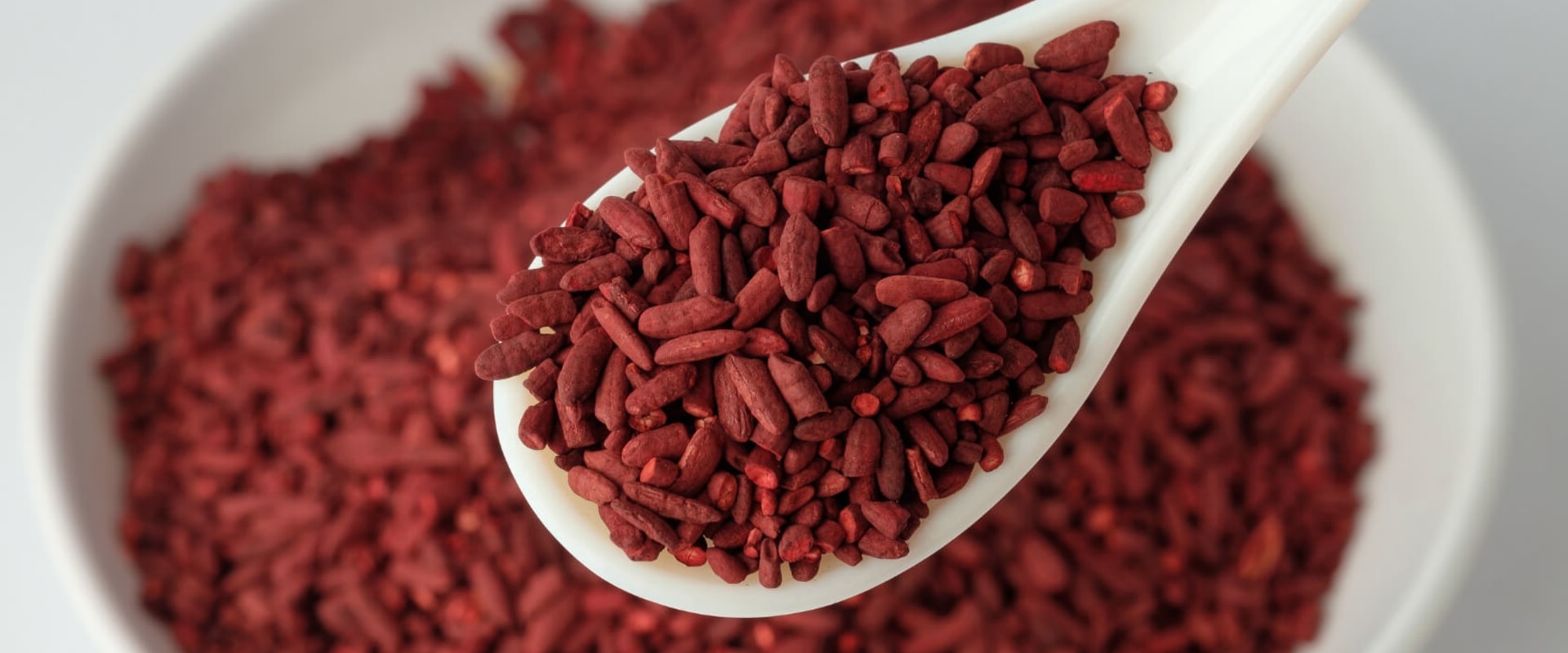
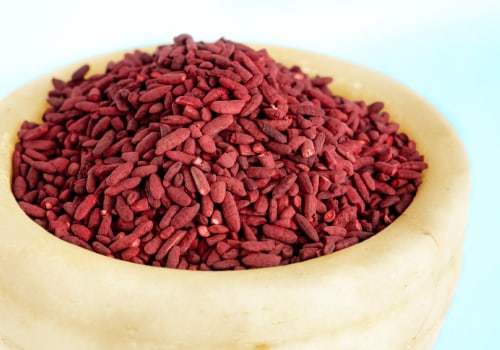
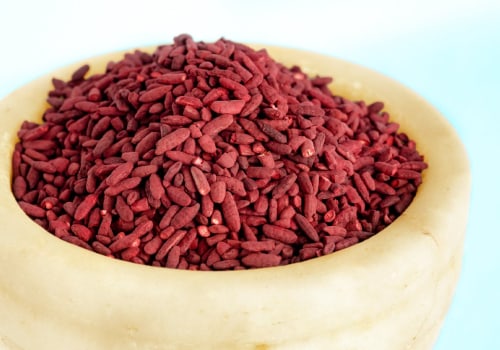
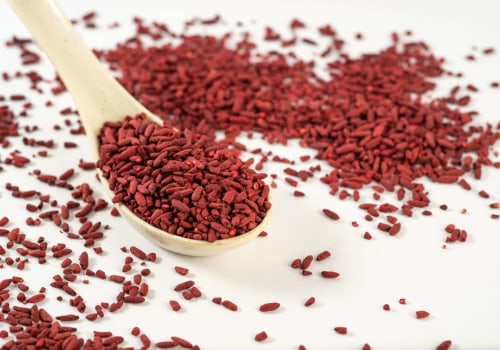
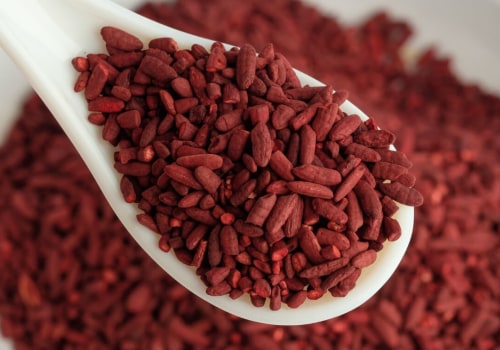
Red yeast rice is a traditional Chinese culinary and medicinal product that has gained significant attention in the Western world for its potential health benefits, particularly in managing cholesterol levels. This unique substance is created by fermenting white rice with a specific type of yeast known as Monascus purpureus. The fermentation process not only imparts a distinctive red color to the rice but also enhances its nutritional profile, making it a valuable addition to dietary supplements aimed at improving heart health. The origins of red yeast rice can be traced back over a thousand years, where it was used in various Asian cultures for both culinary purposes and as a natural remedy. In traditional Chinese medicine, it has been employed to promote digestion, improve circulation, and support overall wellness.
However, modern research has focused primarily on its ability to lower cholesterol, particularly low-density lipoprotein (LDL), often referred to as "bad" cholesterol. One of the key components responsible for the cholesterol-lowering effects of red yeast rice is a naturally occurring compound called monacolin K. This compound functions similarly to statin medications, which are commonly prescribed to manage high cholesterol levels. By inhibiting the enzyme HMG-CoA reductase, monacolin K helps reduce the production of cholesterol in the liver, leading to lower overall cholesterol levels in the bloodstream. This mechanism is what makes red yeast rice an appealing alternative for individuals seeking natural solutions for their cardiovascular health. In addition to its primary role in cholesterol management, red yeast rice is also believed to offer other health benefits.
Research suggests that it may help reduce inflammation, improve blood circulation, and even support metabolic health. As we delve deeper into the specific benefits of red yeast rice, it becomes clear that this ancient remedy holds promise for those looking to enhance their heart health and overall well-being.
The Science Behind Cholesterol and Heart Health
Understanding cholesterol is essential for maintaining heart health. Cholesterol is a waxy substance found in your blood, and it plays a vital role in building cells and producing hormones. However, not all cholesterol is created equal.There are two primary types of cholesterol that significantly impact heart health: low-density lipoprotein (LDL) and high-density lipoprotein (HDL) .
LDL cholesterol
, often referred to as "bad" cholesterol, can lead to the buildup of plaque in the arteries. This plaque narrows the arteries and restricts blood flow, increasing the risk of heart disease and stroke. Elevated levels of LDL cholesterol are a significant risk factor for cardiovascular issues, making it crucial to monitor and manage these levels.
On the other hand, HDL cholesterol , known as "good" cholesterol, helps remove LDL cholesterol from the bloodstream. It transports LDL back to the liver, where it can be processed and eliminated from the body.
Higher levels of HDL cholesterol are associated with a lower risk of heart disease, as it aids in maintaining a healthy balance of cholesterol in the body. Maintaining optimal cholesterol levels is vital for overall well-being. The American Heart Association recommends that adults have their cholesterol levels checked regularly, especially if they have risk factors such as obesity, diabetes, or a family history of heart disease. A total cholesterol level below 200 mg/dL is considered healthy, while levels above 240 mg/dL are classified as high. To manage cholesterol levels effectively, lifestyle changes can be beneficial. Incorporating a diet rich in fruits, vegetables, whole grains, and healthy fats can help improve your lipid profile.
Regular physical activity also plays a crucial role in raising HDL levels while lowering LDL levels. In summary, understanding the differences between LDL and HDL cholesterol is essential for promoting heart health. By actively managing your cholesterol levels through diet and exercise, you can significantly reduce your risk of cardiovascular diseases and enhance your overall health.
How Red Yeast Rice Lowers Cholesterol
Red yeast rice is renowned for its ability to lower cholesterol levels, primarily due to its active compound known as monacolin K. This natural substance is a type of statin, which works by inhibiting the enzyme HMG-CoA reductase, a crucial player in the cholesterol synthesis pathway in the liver. By blocking this enzyme, monacolin K effectively reduces the production of low-density lipoprotein (LDL) , commonly referred to as "bad" cholesterol. The mechanism of action of red yeast rice can be broken down into several key processes:- Inhibition of Cholesterol Synthesis: As mentioned, monacolin K inhibits HMG-CoA reductase, leading to decreased cholesterol synthesis in the liver.
This reduction in cholesterol production prompts the liver to increase the uptake of LDL from the bloodstream, thereby lowering overall LDL levels.
- Enhancement of Lipid Profiles: Regular consumption of red yeast rice has been shown to improve lipid profiles significantly. Studies indicate that individuals taking red yeast rice supplements experience not only a decrease in LDL cholesterol but also an increase in high-density lipoprotein (HDL) cholesterol, which is beneficial for heart health.
- Reduction of Inflammation: Beyond its cholesterol-lowering effects, red yeast rice may also help reduce inflammation within the body. Chronic inflammation is a known risk factor for cardiovascular diseases, and by mitigating this inflammation, red yeast rice contributes to overall heart health.
- Antioxidant Properties: Red yeast rice contains various antioxidants that combat oxidative stress. Oxidative stress can lead to damage in blood vessels and contribute to atherosclerosis (hardening of the arteries).
By neutralizing free radicals, these antioxidants help maintain vascular health.
Clinical Studies on Red Yeast Rice and Cholesterol Reduction
Numerous clinical studies have been conducted to evaluate the effectiveness of red yeast rice in lowering cholesterol levels, providing a solid foundation for its use as a natural supplement. One of the most notable studies published in the American Journal of Cardiology involved a randomized, double-blind, placebo-controlled trial that assessed the impact of red yeast rice on patients with elevated cholesterol levels.The results indicated that participants taking red yeast rice experienced a significant reduction in their total cholesterol and LDL (bad cholesterol) levels compared to those receiving a placebo. Another important study published in the Journal of Clinical Lipidology examined the effects of red yeast rice over a 12-week period. In this trial, participants who consumed 1200 mg of red yeast rice daily showed an average decrease of 22% in LDL cholesterol levels. This study not only highlighted the supplement's effectiveness but also emphasized its safety profile, as adverse effects were minimal and comparable to those observed in the placebo group. A meta-analysis that reviewed multiple studies on red yeast rice found that it consistently lowered total cholesterol and triglyceride levels across various populations. The analysis concluded that red yeast rice could be an effective alternative for individuals who are unable or unwilling to take statin medications due to side effects or other concerns. Furthermore, a study published in The Annals of Pharmacotherapy explored the long-term effects of red yeast rice supplementation.
Participants who continued taking red yeast rice for six months maintained their cholesterol reductions, suggesting that ongoing use may be beneficial for sustained heart health. While these studies provide compelling evidence for the cholesterol-lowering benefits of red yeast rice, it is essential to consider individual responses and consult healthcare professionals before starting any new supplement regimen. The variability in monacolin content among different products also underscores the importance of choosing high-quality supplements that have been tested for efficacy and safety.
Recommended Dosage and Usage Guidelines
When considering the incorporation of red yeast rice into your health regimen, understanding the appropriate dosage and usage guidelines is crucial for achieving optimal results. The recommended dosage typically ranges from 1200 mg to 2400 mg per day, divided into two doses taken with meals. This approach not only enhances absorption but also minimizes potential gastrointestinal discomfort that some users may experience. For those new to red yeast rice, it is advisable to start at the lower end of the dosage spectrum, around 1200 mg , and gradually increase as needed while monitoring your body's response.Many individuals begin to notice a reduction in LDL cholesterol levels after approximately 12 weeks of consistent use. However, it is essential to consult with a healthcare professional before starting any new supplement, especially if you are currently taking medications or have underlying health conditions.
Best Practices for Use
To maximize the benefits of red yeast rice, consider the following best practices:- Consistency is Key: Take red yeast rice at the same time each day to establish a routine. This consistency helps maintain stable levels of the active compounds in your system.
- Pair with Meals: Consuming red yeast rice with food can enhance its absorption and reduce the likelihood of digestive issues.
- Avoid Grapefruit: Grapefruit and grapefruit juice can interfere with the metabolism of red yeast rice, potentially leading to increased side effects. It is best to avoid these while taking the supplement.
- Monitor Your Health: Regularly check your cholesterol levels and overall health with your healthcare provider to assess the effectiveness of red yeast rice and make any necessary adjustments to your regimen.
- Stay Informed: Be aware of any potential side effects, such as gastrointestinal discomfort or muscle pain, and report these to your healthcare provider promptly.
Always prioritize open communication with your healthcare provider to ensure a safe and effective supplementation experience.
Potential Side Effects and Considerations
While red yeast rice is widely recognized for its cholesterol-lowering properties, it is essential to be aware of potential side effects and safety considerations before incorporating it into your health regimen. Understanding these factors can help you make informed decisions about your health.Common Side Effects
Some individuals may experience side effects when taking red yeast rice, particularly if they are sensitive to its active compounds. Common side effects include:- Gastrointestinal Issues: Many users report experiencing bloating, gas, and stomach discomfort. These symptoms can vary in intensity and may be more pronounced in those with sensitive digestive systems.
- Muscle Pain: Similar to statin medications, red yeast rice can lead to muscle aches or cramps in some individuals.
This condition, known as myopathy, should be monitored closely.
- Headaches: Some users have reported headaches as a side effect, which may be related to the body adjusting to the supplement.
Safety Concerns
In addition to the common side effects, there are several safety concerns associated with red yeast rice:- Variability in Monacolin Content: The amount of monacolin K, the active ingredient responsible for cholesterol reduction, can vary significantly between different brands and formulations of red yeast rice. This inconsistency can lead to unpredictable results and potential side effects.
- Liver Health: Red yeast rice may affect liver function. Individuals with pre-existing liver conditions or those taking medications that impact liver health should exercise caution.
- Drug Interactions: Red yeast rice can interact with other medications, particularly those that affect cholesterol levels or liver function. It is crucial to discuss any current medications with a healthcare provider before starting red yeast rice.
Who Should Avoid Red Yeast Rice?
Certain individuals should avoid using red yeast rice or consult a healthcare professional before starting supplementation:- Pregnant or Nursing Women: The safety of red yeast rice during pregnancy and breastfeeding has not been established, so it is best to avoid it during these periods.
- Individuals with Liver Disease: Those with liver conditions should refrain from using red yeast rice due to its potential impact on liver function.
- People Taking Statins: Since red yeast rice acts similarly to statin medications, combining them can increase the risk of side effects such as muscle pain and liver damage.
This proactive approach ensures that you can safely enjoy the benefits of this natural supplement.
Comparing Red Yeast Rice to Statins and Other Cholesterol-Lowering Medications
When it comes to managing cholesterol levels, many individuals find themselves weighing the options between traditional medications, such as statins, and natural alternatives like red yeast rice. Understanding the differences in effectiveness, safety, and side effects can help patients make informed decisions about their health.Red Yeast Rice vs. Statins
Statins are a class of drugs commonly prescribed to lower LDL (bad) cholesterol. They work by inhibiting an enzyme involved in cholesterol production in the liver.
While statins are effective for many, they can also come with a range of side effects, including muscle pain, digestive issues, and an increased risk of diabetes.
On the other hand, red yeast rice contains naturally occurring compounds called monacolins, particularly monacolin K, which has a similar mechanism of action to statins. Research indicates that red yeast rice can effectively lower total cholesterol and LDL levels. In some studies, participants taking red yeast rice experienced reductions in cholesterol comparable to those taking statin medications.
Effectiveness Comparison
- Statins: Generally prescribed at higher doses for significant cholesterol reduction.
- Red Yeast Rice: Typically recommended at doses around 1200 mg twice daily, showing effectiveness after about 12 weeks of consistent use.
Safety and Side Effects
While both statins and red yeast rice can lead to side effects, the profile differs significantly:
- Statins: Commonly associated with muscle pain and liver enzyme abnormalities.
- Red Yeast Rice: May cause gastrointestinal discomfort but generally has a lower incidence of severe side effects compared to statins.
Natural Alternatives to Statins
If you are considering alternatives to statins, red yeast rice is not the only option. Other natural supplements include:
- Fish Oil: Rich in omega-3 fatty acids, which can help lower triglycerides.
- Psyllium Husk: A soluble fiber that can aid in reducing cholesterol levels when taken regularly.
- Plant Sterols and Stanols: Compounds found in certain foods that can block cholesterol absorption in the intestines.
Both options have their merits and potential drawbacks, making personalized medical advice essential for effective cholesterol management.
Integrating Red Yeast Rice into a Heart-Healthy Lifestyle
Integrating red yeast rice into your daily routine can significantly enhance your efforts to maintain a heart-healthy lifestyle. However, it is essential to understand that this supplement works best when combined with other healthy habits, including a balanced diet and regular exercise. To start, consider adopting a heart-healthy diet. This type of diet emphasizes:- Fruits and Vegetables: Aim for a variety of colors and types to ensure you get a wide range of nutrients. Leafy greens, berries, and citrus fruits are particularly beneficial.
- Whole Grains: Foods like brown rice, quinoa, and whole-grain bread can help lower cholesterol levels and provide essential fiber.
- Healthy Fats: Incorporate sources of unsaturated fats such as avocados, nuts, seeds, and olive oil while minimizing saturated and trans fats found in processed foods.
- Lean Proteins: Opt for fish, poultry, beans, and legumes instead of red meat to reduce saturated fat intake.
Engaging in at least 150 minutes of moderate-intensity aerobic exercise each week can help raise HDL (good) cholesterol while lowering LDL (bad) cholesterol. Activities such as brisk walking, cycling, swimming, or dancing can be enjoyable ways to stay active. Moreover, incorporating strength training exercises at least twice a week can further enhance your cardiovascular health. These exercises help build muscle mass and improve metabolism, which can contribute to better cholesterol management. Lastly, it’s important to monitor your progress. Regular check-ups with your healthcare provider can help you track your cholesterol levels and assess the effectiveness of your lifestyle changes.
They may also provide personalized recommendations based on your health status. By combining the benefits of red yeast rice with a nutritious diet and consistent exercise regimen, you can create a comprehensive approach to managing your cholesterol levels effectively. This holistic strategy not only supports heart health but also promotes overall well-being.
Frequently Asked Questions about Red Yeast Rice Benefits
Red yeast rice has gained significant attention for its potential health benefits, particularly in managing cholesterol levels. Below are some frequently asked questions that can help clarify its role and effectiveness.What is red yeast rice?
Red yeast rice is a traditional Chinese culinary and medicinal product made by fermenting rice with a specific type of yeast called Monascus purpureus. This fermentation process produces several compounds, including monacolin K, which is known for its cholesterol-lowering properties.How does red yeast rice help lower cholesterol?
The primary mechanism through which red yeast rice lowers cholesterol is by inhibiting the enzyme HMG-CoA reductase, which plays a crucial role in cholesterol synthesis in the liver.By blocking this enzyme, red yeast rice can effectively reduce levels of LDL (bad) cholesterol and total cholesterol in the bloodstream.
What are the benefits of taking red yeast rice?
- Cholesterol Management: Numerous studies have shown that red yeast rice can significantly lower LDL cholesterol levels, making it a popular alternative for those who prefer natural supplements over statin medications.
- Heart Health: Beyond lowering cholesterol, red yeast rice may also support overall heart health by improving blood circulation and reducing inflammation.
- Metabolic Benefits: Some research indicates that red yeast rice may help improve metabolic syndrome markers, such as blood sugar and insulin levels.
Are there any side effects associated with red yeast rice?
While many people tolerate red yeast rice well, some may experience mild side effects such as gastrointestinal discomfort, including bloating or gas. It is essential to consult with a healthcare provider before starting any new supplement, especially if you have existing health conditions or are taking other medications.How should I take red yeast rice?
The typical recommended dosage of red yeast rice is around 1200 mg taken twice daily with meals. However, it’s crucial to follow the advice of a healthcare professional to determine the appropriate dosage for your individual needs. In summary, understanding the benefits and potential side effects of red yeast rice can empower individuals to make informed decisions about their health and cholesterol management strategies.Conclusion: The Role of Red Yeast Rice in Cholesterol Management
In summary, red yeast rice has emerged as a powerful natural supplement for those seeking to manage their cholesterol levels effectively. Its primary active component, monacolin K, functions similarly to statin medications, providing a viable alternative for individuals who may be unable or unwilling to use pharmaceutical options.Numerous studies have demonstrated that consistent use of red yeast rice can lead to significant reductions in LDL cholesterol , often within a few weeks of starting supplementation. Moreover, the benefits of red yeast rice extend beyond just lowering cholesterol. Research indicates that it may also contribute to improved heart health by reducing inflammation and supporting overall cardiovascular function. This multifaceted approach makes it an appealing option for those looking to enhance their health and well-being. However, it is crucial for individuals considering red yeast rice to consult with a healthcare professional before starting any new supplement regimen. This is particularly important for those who are already on cholesterol-lowering medications or have underlying health conditions.
Monitoring for potential side effects, such as gastrointestinal discomfort, is also advisable. As you contemplate incorporating red yeast rice into your health routine, remember that it should complement a balanced diet and healthy lifestyle. Regular exercise, a diet rich in fruits and vegetables, and maintaining a healthy weight are all essential components of effective cholesterol management. In conclusion, the benefits of red yeast rice for lowering cholesterol are well-supported by scientific evidence and offer a promising avenue for individuals seeking natural alternatives to traditional medications. By understanding its role in cholesterol management and taking appropriate precautions, you can make informed decisions that support your long-term health goals.