Understanding the Risks of Combining Red Yeast Rice with Foods and Medications
Explore the risks of combining red yeast rice with certain foods and medications to maximize its benefits while minimizing side effects.
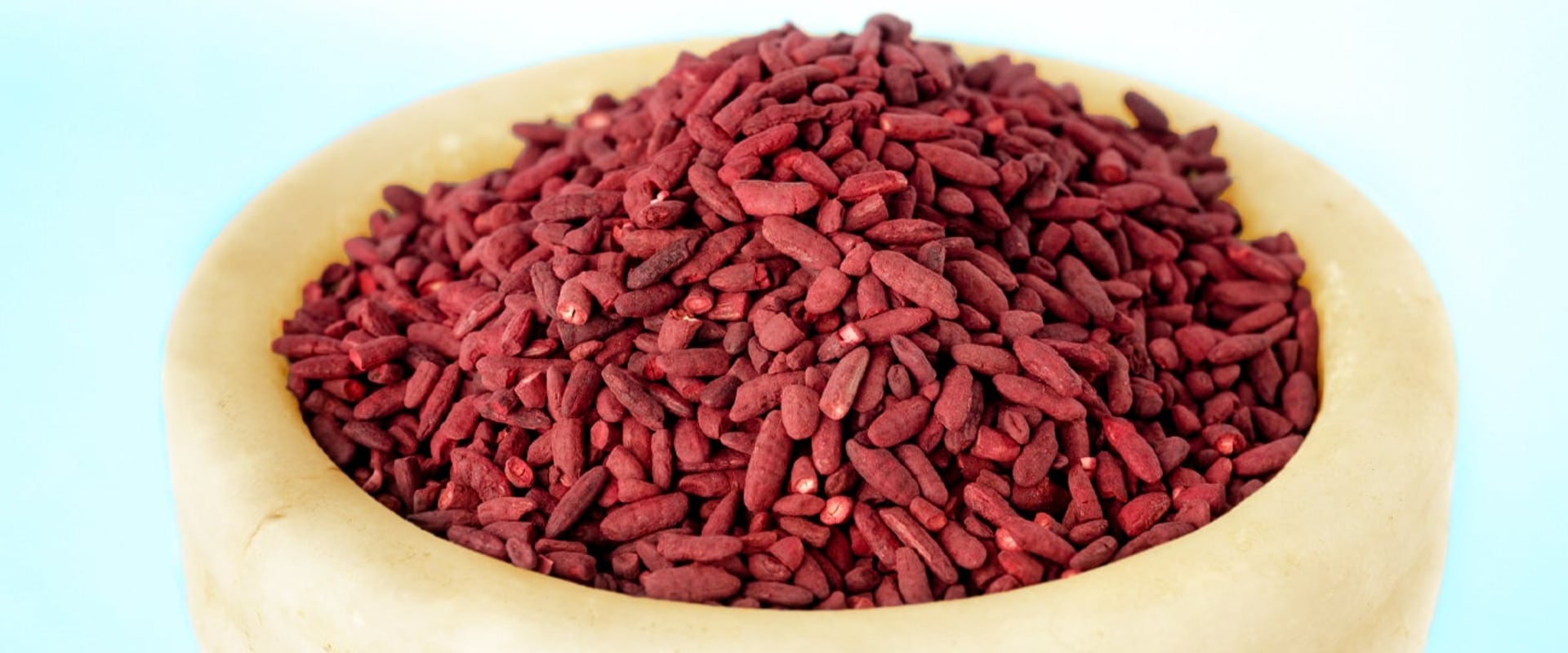
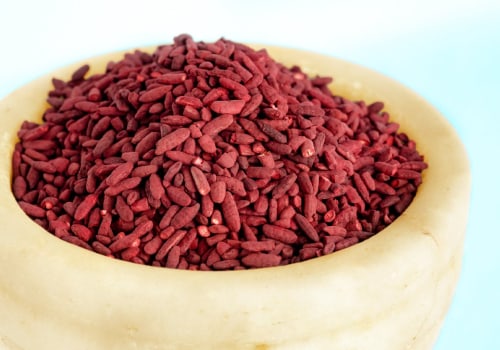
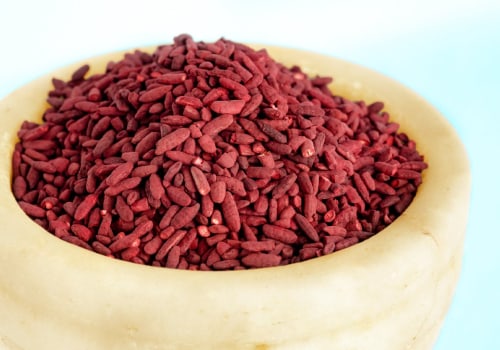
Red yeast rice is a traditional Chinese culinary ingredient that has gained significant attention in the realm of natural health supplements. This unique product is created by fermenting rice with a specific type of mold known as Monascus purpureus. The fermentation process not only imparts a reddish hue to the rice but also enhances its nutritional profile, making it a valuable addition to diets aimed at improving heart health. One of the most compelling reasons for its popularity is its ability to help lower cholesterol levels, particularly low-density lipoprotein (LDL) cholesterol, often referred to as "bad" cholesterol. The health benefits of red yeast rice extend beyond just cholesterol management.
Research has indicated that it may also contribute to reducing triglycerides and improving overall cardiovascular health. Additionally, some studies suggest that red yeast rice may possess anti-inflammatory properties and could play a role in managing metabolic syndrome, a cluster of conditions that increase the risk of heart disease, stroke, and diabetes. These multifaceted benefits make red yeast rice an appealing option for those seeking natural alternatives to conventional medications. However, while the benefits of red yeast rice are noteworthy, it is essential to approach its use with caution. The presence of naturally occurring statins in red yeast rice can lead to potential interactions with certain foods and medications, which may heighten the risk of side effects.
Therefore, understanding how to safely incorporate this supplement into your routine is crucial for maximizing its advantages while minimizing any adverse effects.
What is Red Yeast Rice?
Red yeast rice
is a traditional Chinese food and medicinal product that has gained popularity in the Western world for its potential health benefits, particularly in managing cholesterol levels. This unique product is created through the fermentation of rice using specific molds, primarily Monascus purpureus and Monascus ruber. The fermentation process not only imparts a reddish-purple hue to the rice but also enhances its nutritional profile. The production of red yeast rice involves several steps:
- Selection of Rice: High-quality, polished rice grains are chosen as the base for fermentation.
- Inoculation: The rice is inoculated with the spores of the molds Monascus purpureus or Monascus ruber. These molds are responsible for the fermentation process.
- Fermentation: The inoculated rice is then placed in a controlled environment where temperature and humidity are carefully monitored.
This fermentation period typically lasts from several days to weeks, allowing the molds to grow and metabolize the rice.
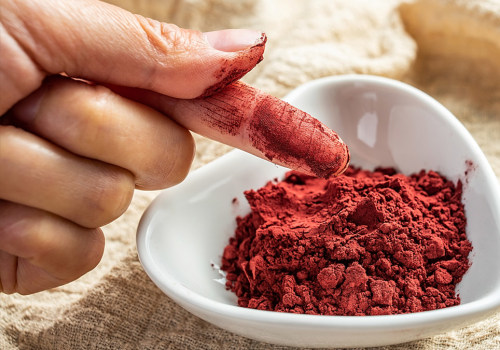
- Drying and Grinding: Once fermentation is complete, the rice is dried and ground into a fine powder, which can be used in various forms such as capsules, tablets, or as a cooking ingredient.
- Monacolin K: This is the primary active ingredient in red yeast rice, which has been shown to inhibit cholesterol synthesis in the liver. Monacolin K is chemically identical to the statin drug lovastatin.
- Unsaturated Fatty Acids: Red yeast rice contains healthy fats that can contribute to heart health.
- Antioxidants: The fermentation process enhances the antioxidant properties of red yeast rice, which can help combat oxidative stress in the body.
- B Vitamins: It is also a source of various B vitamins that play essential roles in energy metabolism and overall health.
Health Benefits of Red Yeast Rice
Red yeast rice, a traditional Chinese medicinal food, has garnered attention for its numerous health benefits, particularly in the realm of cardiovascular health.One of the most significant advantages of red yeast rice is its ability to effectively lower LDL cholesterol levels. This is primarily due to the presence of monacolin K, a natural statin that inhibits cholesterol synthesis in the liver. Studies have shown that individuals who incorporate red yeast rice into their diets can experience a notable reduction in total cholesterol and LDL cholesterol levels, which are critical factors in reducing the risk of heart disease. In addition to its cholesterol-lowering properties, red yeast rice also exhibits anti-inflammatory effects. Chronic inflammation is a known contributor to various health issues, including heart disease, diabetes, and certain cancers.
The compounds found in red yeast rice may help mitigate inflammation by reducing markers such as C-reactive protein (CRP) in the body. This anti-inflammatory action not only supports heart health but may also enhance overall well-being. Moreover, emerging research suggests that red yeast rice may offer additional health benefits beyond cholesterol management and inflammation reduction. For instance, some studies indicate that it could play a role in improving metabolic syndrome parameters, such as blood sugar levels and insulin sensitivity. This is particularly relevant for individuals at risk of developing type 2 diabetes. Furthermore, red yeast rice has been linked to potential antioxidant properties, which can help combat oxidative stress in the body.
Oxidative stress is associated with aging and various chronic diseases, making antioxidants essential for maintaining health. In summary, the health benefits of red yeast rice are multifaceted, encompassing effective cholesterol reduction, anti-inflammatory properties, and potential improvements in metabolic health. As with any supplement, it is crucial to consult with a healthcare professional before incorporating red yeast rice into your regimen to ensure it aligns with your individual health needs and conditions.
Potential Risks of Red Yeast Rice
While red yeast rice is often praised for its potential health benefits, particularly in managing cholesterol levels, it is crucial to be aware of the associated risks. Understanding these risks can help individuals make informed decisions about incorporating this supplement into their diets.Side Effects of Red Yeast Rice
Like any supplement, red yeast rice can cause side effects in some individuals. Commonly reported side effects include:- Muscle pain or weakness: Some users may experience myopathy, a condition characterized by muscle pain and weakness, which can be exacerbated when combined with other cholesterol-lowering medications.
- Digestive issues: Nausea, diarrhea, and stomach discomfort are also frequently reported among those taking red yeast rice.
- Liver damage: There is a potential risk of liver toxicity, especially when red yeast rice is consumed alongside other medications that affect liver function.
Citrinin Toxicity
A significant concern regarding red yeast rice is the presence of citrinin, a mycotoxin produced during the fermentation process.Citrinin has been linked to various health issues, including:
- Kidney damage: Citrinin is known to be nephrotoxic, meaning it can cause harm to the kidneys, leading to impaired function over time.
- Potential carcinogenic effects: Some studies suggest that citrinin may have carcinogenic properties, raising concerns about long-term consumption of products containing this toxin.
Interactions with Medications
Red yeast rice, a traditional Chinese medicinal product, has gained attention for its potential to lower cholesterol levels. However, it is crucial to understand how it interacts with various medications, particularly statins, to ensure safe and effective use.Understanding Statin Interactions
Red yeast rice contains monacolin K, a compound that is chemically identical to the active ingredient in the prescription statin lovastatin.
This similarity raises significant concerns regarding the concurrent use of red yeast rice and other statin medications. Combining these can lead to an increased risk of side effects, including:
- Muscle pain and weakness
- Liver damage
- Digestive issues
- Increased risk of rhabdomyolysis
Medications to Avoid with Red Yeast Rice
In addition to statins, there are other medications that may interact negatively with red yeast rice. These include:
- Certain antibiotics: Some antibiotics can increase the risk of muscle-related side effects when taken with red yeast rice.
- Antifungal medications: Similar to antibiotics, antifungals may also heighten the risk of adverse effects.
- Blood thinners: Combining red yeast rice with anticoagulants can increase bleeding risks.
- Liver-damaging drugs: Medications that affect liver function should be used cautiously alongside red yeast rice due to the potential for compounded liver toxicity.
The Importance of Consulting Healthcare Professionals
Given the potential for serious interactions, it is essential for individuals considering red yeast rice as a supplement to consult with a healthcare professional.
A thorough review of current medications and health conditions can help determine whether incorporating red yeast rice is appropriate. This step is vital not only for maximizing the benefits of red yeast rice but also for minimizing any risks associated with its use. In summary, while red yeast rice offers promising benefits for cholesterol management, its interactions with various medications—especially statins—underscore the importance of professional guidance. Always prioritize safety by discussing any new supplements with your healthcare provider before making changes to your treatment regimen.
Foods to Avoid When Taking Red Yeast Rice
When incorporating red yeast rice into your diet, it is essential to be mindful of certain foods and substances that may interact negatively with this supplement. Understanding these dietary restrictions can help you maximize the benefits of red yeast rice while minimizing potential health risks.1.Alcohol
One of the most significant substances to avoid while taking red yeast rice is alcohol.
Consuming alcohol can exacerbate the side effects associated with red yeast rice, particularly those related to liver function. Since red yeast rice contains lovastatin, a statin that can affect liver enzymes, combining it with alcohol may increase the risk of liver damage. It is advisable to limit or eliminate alcohol consumption during your supplementation period.
2.Other Statins
If you are already taking prescription medications for cholesterol management, particularly other statins, it is crucial to avoid combining them with red yeast rice. The cumulative effect of multiple statins can lead to an increased risk of side effects such as muscle pain, liver damage, and digestive issues.
Always consult with a healthcare professional before mixing these treatments.
3.Grapefruit and Grapefruit Juice
Grapefruit and its juice are known to interact with various medications, including statins. They can inhibit the enzymes responsible for metabolizing these drugs in the liver, leading to higher levels of the medication in your bloodstream and increasing the risk of adverse effects. Therefore, it is wise to avoid grapefruit products while taking red yeast rice.
4.High-Fat Foods
While not a direct contraindication, consuming high-fat foods can counteract the cholesterol-lowering benefits of red yeast rice. Diets high in saturated fats can elevate cholesterol levels, which may undermine the effectiveness of red yeast rice in managing cholesterol levels.
Focus on a balanced diet rich in fruits, vegetables, whole grains, and lean proteins to support your health goals.
5.Certain Herbal Supplements
Some herbal supplements may also pose risks when taken alongside red yeast rice. For instance, supplements that have blood-thinning properties or those that affect liver function should be approached with caution. Always inform your healthcare provider about any supplements you are taking to avoid potential interactions.
In summary, being aware of what foods and substances to avoid when taking red yeast rice is vital for ensuring safe consumption and maximizing its health benefits. Always consult with a healthcare professional before making any significant changes to your diet or supplement regimen.
Consulting Healthcare Professionals: Why It Matters
When considering the incorporation of red yeast rice into your health regimen, it is essential to consult with a healthcare professional.This step is crucial for several reasons, particularly due to the potential interactions and side effects associated with this supplement.
Understanding Your Health Status
Before starting any new supplement, including red yeast rice, a thorough understanding of your current health status is vital. A healthcare provider can assess your medical history, existing conditions, and any medications you are currently taking. This assessment helps identify any potential risks associated with combining red yeast rice with other treatments or dietary choices.
Questions to Ask Your Healthcare Provider
- What are the potential benefits of red yeast rice for my specific health needs?
- Are there any known interactions between red yeast rice and my current medications?
- What dosage do you recommend based on my health profile?
- How should I monitor my health while taking this supplement?
- Are there alternative treatments that may be more suitable for me?
The Importance of Professional Guidance
Healthcare professionals can provide personalized advice that considers your unique circumstances. They can help you navigate the complexities of dietary supplements and their effects on your body.
For instance, if you have liver issues or are taking medications that affect liver function, your doctor may advise against using red yeast rice due to its statin content.
Monitoring and Adjustments
Once you begin taking red yeast rice, regular follow-ups with your healthcare provider are essential. They can help monitor your cholesterol levels and overall health, ensuring that the supplement is having the desired effect without causing adverse reactions. If any side effects occur, such as muscle pain or digestive issues, your doctor can recommend adjustments or alternative therapies.
Conclusion
In summary, consulting a healthcare professional before starting red yeast rice is not just a precaution; it is a necessary step to ensure safety and efficacy. By seeking expert advice, you empower yourself to make informed decisions about your health and well-being.
Monitoring Your Health While Using Red Yeast Rice
When incorporating red yeast rice into your health regimen, it is essential to actively monitor your health to ensure that you are reaping its benefits while minimizing potential risks.This natural supplement, known for its ability to lower cholesterol levels, can also lead to side effects that require attention.
Understanding Side Effects
While many individuals tolerate red yeast rice well, some may experience adverse reactions. Common side effects include:
- Muscle pain or weakness: This can be a sign of myopathy, a condition that affects muscle tissue.
- Digestive issues: Symptoms such as bloating, gas, or diarrhea may occur.
- Liver function changes: Elevated liver enzymes can indicate stress on the liver.
- Allergic reactions: Some individuals may develop rashes or other allergic responses.
Adjusting Dosage
The appropriate dosage of red yeast rice can vary significantly from person to person. Factors such as age, weight, overall health, and the presence of other medications can influence how your body reacts.
Here are some guidelines for adjusting your dosage:
- Start Low: Begin with the lowest recommended dose to assess your body's response.
- Monitor Symptoms: Keep a journal of any side effects or changes in your health status.
- Consult Your Doctor: If you experience side effects or if your cholesterol levels do not improve after a few weeks, discuss with your healthcare provider whether an adjustment is necessary.
- Avoid Self-Medicating: Do not increase your dosage without professional guidance, as this can lead to serious health issues.
The Importance of Professional Guidance
Your healthcare provider can offer personalized advice based on your medical history and current health status. They may recommend regular check-ups to monitor cholesterol levels and liver function while using red yeast rice. This proactive approach ensures that you can enjoy the benefits of red yeast rice while safeguarding your overall health.
Conclusion: Weighing Benefits Against Risks
In summary, the journey of exploring red yeast rice benefits reveals a complex interplay between its potential advantages and the associated risks. As a natural supplement known for its cholesterol-lowering properties, red yeast rice has garnered attention for its ability to support heart health and improve overall well-being.However, it is crucial to approach this supplement with a balanced perspective. Throughout this article, we have highlighted several key points:
- Cholesterol Management: Red yeast rice contains lovastatin, a compound that can effectively lower LDL cholesterol levels, making it a valuable option for those seeking to manage their cholesterol without pharmaceutical interventions.
- Potential Health Benefits: Beyond cholesterol reduction, emerging research suggests that red yeast rice may also aid in reducing inflammation and improving metabolic health, which are critical factors in preventing chronic diseases.
- Risks of Interaction: The combination of red yeast rice with certain foods and medications can lead to adverse effects. For instance, taking it alongside other statins or alcohol can heighten the risk of side effects such as liver damage and muscle pain.
- Caution with Long-term Use: While short-term use may be beneficial, the long-term effects of red yeast rice are still under investigation. It is essential to monitor any changes in health and consult healthcare professionals regularly.
- Quality Matters: Not all red yeast rice products are created equal. The presence of harmful by-products like citrinin underscores the importance of sourcing high-quality supplements from reputable manufacturers.
Consulting with a healthcare provider can provide personalized guidance tailored to your specific health needs and conditions. By making informed decisions and prioritizing safety, you can harness the positive aspects of red yeast rice while minimizing any adverse effects. Ultimately, understanding both the benefits and risks associated with red yeast rice empowers you to take charge of your health journey. With careful consideration and professional advice, you can navigate this natural supplement landscape effectively.