The Truth About Red Yeast Rice and Statins: Debunking Myths and Exploring Safety
Discover the truth about red yeast rice and its safety compared to statins for cholesterol management. Learn about benefits, risks, and more.
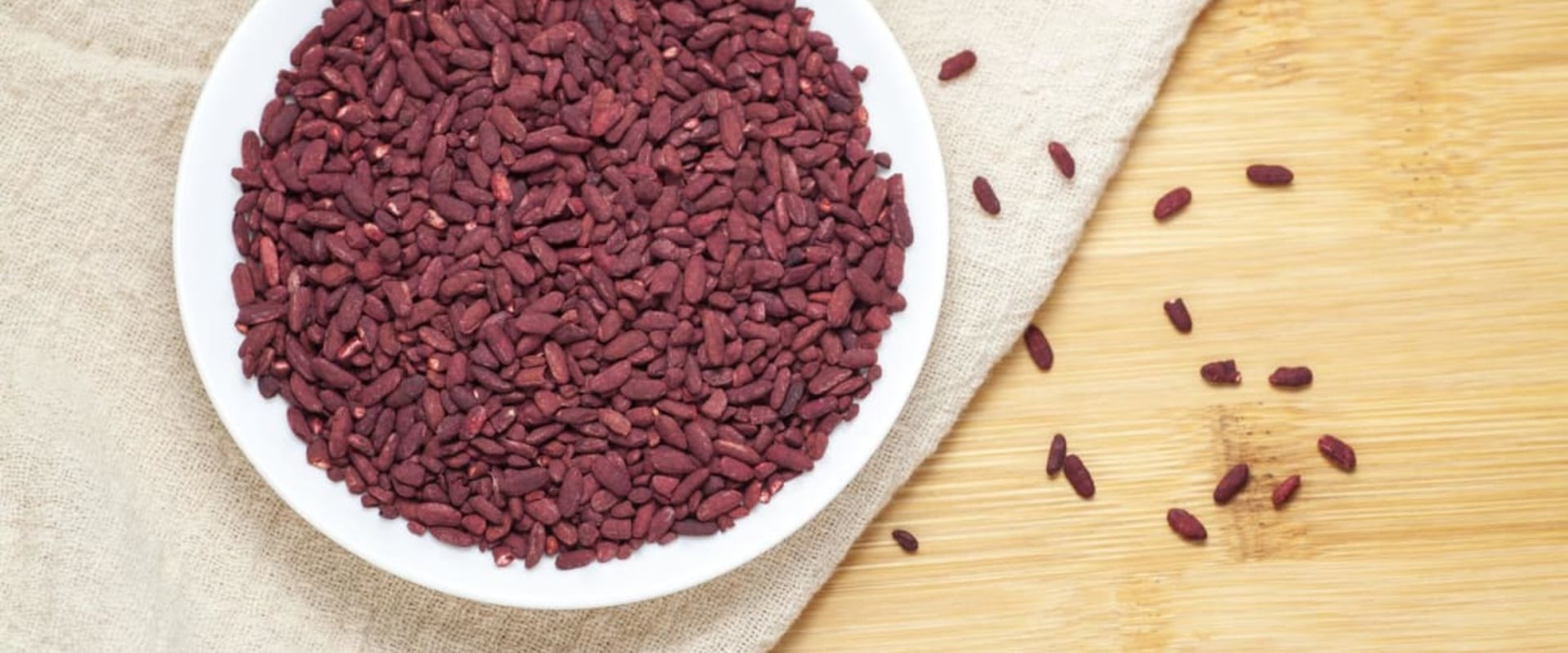
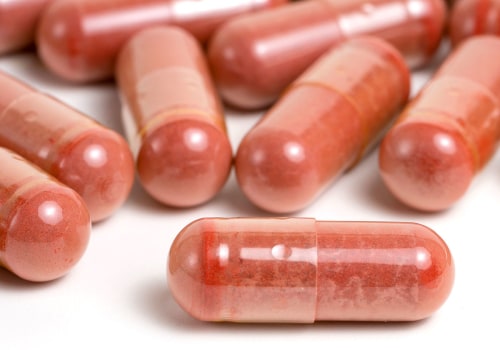
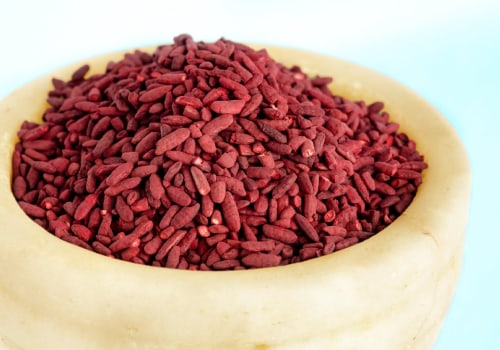
Red yeast rice is a traditional Chinese culinary ingredient that has gained significant attention in the realm of dietary supplements, particularly for its potential to support heart health. This unique product is created by fermenting white rice with a specific type of yeast known as Monascus purpureus. The fermentation process not only imparts a distinctive reddish hue to the rice but also enriches it with various bioactive compounds, most notably monacolin K , which is chemically identical to the active ingredient found in the prescription statin drug lovastatin. The benefits of red yeast rice are primarily attributed to its ability to lower levels of low-density lipoprotein (LDL) cholesterol, often referred to as "bad" cholesterol. Numerous studies have indicated that red yeast rice can effectively reduce LDL cholesterol levels by inhibiting its synthesis in the liver.
This mechanism is similar to that of statins, making red yeast rice an appealing alternative for individuals seeking natural methods to manage their cholesterol levels. However, it is essential to note that the effectiveness of red yeast rice can vary significantly depending on the specific product and its formulation. In addition to its cholesterol-lowering properties, red yeast rice may offer other health benefits. Some research suggests that it may possess antioxidant properties, which can help combat oxidative stress in the body. Furthermore, it has been linked to improved cardiovascular health by promoting better blood circulation and reducing inflammation.
Despite these potential advantages, consumers should approach red yeast rice with caution due to variations in product quality and the lack of regulatory oversight in the supplement industry. Understanding how red yeast rice works and its composition is crucial for anyone considering its use as a supplement. While it may present a more natural option for managing cholesterol compared to conventional statins, it is vital to consult with a healthcare professional before starting any new supplement regimen. This ensures that individuals can make informed decisions based on their unique health needs and circumstances.
The Benefits of Red Yeast Rice
Red yeast rice has garnered attention for its potential health benefits, particularly in the realm of cholesterol management. This natural supplement, derived from fermented rice, contains compounds that may help lower levels of LDL (low-density lipoprotein) cholesterol, often referred to as "bad" cholesterol.Understanding the specific benefits of red yeast rice can provide valuable insights for those seeking alternatives to traditional statin medications. One of the primary components of red yeast rice is monacolin K , a substance that functions similarly to lovastatin, a commonly prescribed statin. Research indicates that monacolin K can effectively reduce LDL cholesterol levels. In fact, studies have shown that individuals taking red yeast rice supplements experienced an average reduction in LDL cholesterol ranging from 22% to 30%. This is significant, especially for those who may not tolerate statins well due to side effects. For certain populations, such as those with mild to moderate hyperlipidemia or individuals who prefer natural alternatives, red yeast rice may offer a viable option.
It can be particularly beneficial for:
- Individuals with mild cholesterol issues: For those whose cholesterol levels are not excessively high, red yeast rice may provide sufficient support without the need for stronger medications.
- Patients sensitive to statins: Some individuals experience adverse effects from statins, including muscle pain and digestive issues. Red yeast rice may present a gentler alternative.
- Health-conscious consumers: Many people are increasingly interested in natural remedies and supplements. Red yeast rice fits this trend as a plant-based option for managing cholesterol.
Therefore, consumers should seek out reputable brands that provide standardized dosages to ensure efficacy and safety. In summary, while red yeast rice offers promising benefits for cholesterol management and serves as a potential alternative to statins for certain individuals, it is crucial to consult with a healthcare provider before starting any new supplement regimen. This ensures that the chosen approach aligns with individual health needs and conditions.
Red Yeast Rice vs. Statins: A Comparative Analysis
When it comes to managing cholesterol levels, particularly low-density lipoprotein (LDL) cholesterol, the debate between red yeast rice and statins is ongoing. Both options have their proponents, but understanding their effectiveness is crucial for making informed health decisions.Effectiveness of Red Yeast Rice
Red yeast rice is derived from rice fermented with the yeast Monascus purpureus.
This fermentation process produces several compounds, including monacolin K, which is chemically identical to the active ingredient in the prescription statin lovastatin. Research indicates that red yeast rice can lower LDL cholesterol levels, but its effectiveness varies significantly among different products. A meta-analysis of studies found that red yeast rice can reduce LDL cholesterol by an average of 22% to 30%. However, this reduction is generally less than what is achieved with statin medications.
Statins: The Gold Standard
Statins are widely recognized as the first-line treatment for high cholesterol.
According to a comprehensive meta-analysis involving 93 studies, statin therapy can lead to an average reduction in LDL cholesterol levels ranging from 38% to 55%. This substantial difference highlights the superior efficacy of statins compared to red yeast rice.
Variability in Red Yeast Rice Products
A significant challenge with red yeast rice is the inconsistency in its composition. The amount of monacolin K can vary greatly depending on the strain of yeast used and the fermentation process. Some products may contain minimal amounts of monacolin K, rendering them ineffective for cholesterol management.
This lack of standardization makes it difficult for consumers to gauge the true effectiveness of red yeast rice supplements.
Safety and Side Effects
While both red yeast rice and statins can lower cholesterol, safety profiles differ. Statins are well-studied and monitored for side effects, which can include muscle pain and liver enzyme abnormalities. Red yeast rice, on the other hand, has not undergone the same rigorous testing and may carry risks such as potential contamination with harmful substances or unregulated dosages of monacolin K.
Conclusion
In summary, while red yeast rice may offer some benefits in lowering LDL cholesterol, it does not match the effectiveness of statins. For individuals seeking alternatives to statins, it is essential to consult healthcare professionals to evaluate all options thoroughly and consider both efficacy and safety.
Safety Concerns and Side Effects of Red Yeast Rice
When considering the use of red yeast rice as a supplement for cholesterol management, it is crucial to understand its safety profile and potential side effects.While many people are drawn to red yeast rice due to its natural origins and perceived benefits, it is not without risks.
Potential Side Effects
- Muscle Pain and Weakness: One of the most commonly reported side effects of red yeast rice is muscle pain, also known as myopathy. This can range from mild discomfort to severe pain, similar to what some individuals experience with statin medications.
- Digestive Issues: Some users may experience gastrointestinal problems such as bloating, gas, or diarrhea. These symptoms can be bothersome and may lead some individuals to discontinue use.
- Insomnia: There have been reports of insomnia associated with red yeast rice consumption. Sleep disturbances can significantly impact overall health and well-being.
- Liver Damage: There is a potential risk of liver toxicity with red yeast rice, particularly if taken in high doses or combined with other medications that affect liver function.
Regular monitoring of liver enzymes is advisable for those using this supplement.
- Allergic Reactions: Although rare, some individuals may experience allergic reactions to red yeast rice, which can manifest as skin rashes, itching, or more severe symptoms.
Safety Considerations
The safety of red yeast rice supplements can vary significantly based on the manufacturing process and the specific strains of yeast used. Unlike pharmaceutical drugs, dietary supplements like red yeast rice are not subject to the same rigorous testing and approval processes by regulatory agencies such as the FDA. This lack of standardization means that the concentration of active ingredients, particularly monacolin K, can differ widely between products. Furthermore, some red yeast rice products may contain contaminants or additional substances that could pose health risks. For instance, certain batches might have higher levels of monacolin K than intended, effectively making them unapproved drugs rather than dietary supplements.
Consulting Healthcare Professionals
Given these potential side effects and safety concerns, it is essential to consult with a healthcare professional before starting any new supplement regimen involving red yeast rice.
A doctor can provide personalized advice based on individual health conditions and current medications. This is especially important for individuals already taking statins or other cholesterol-lowering medications, as combining these treatments can increase the risk of adverse effects. In conclusion, while red yeast rice may offer some benefits for cholesterol management, it is vital to approach its use with caution. Understanding the potential side effects and safety concerns can help individuals make informed decisions about their health.
Regulatory Status and Quality Control Issues
The regulatory landscape for red yeast rice supplements is complex and often confusing for consumers. Unlike pharmaceutical drugs, which undergo rigorous testing and approval processes by the FDA, dietary supplements like red yeast rice are subject to much less stringent regulations.This lack of oversight raises significant concerns regarding the safety, efficacy, and quality of these products. In the United States, the FDA classifies red yeast rice as a dietary supplement. This means that manufacturers are not required to prove their products' safety or effectiveness before they hit the market. Instead, it is the responsibility of the FDA to take action against any unsafe products after they are already available to consumers. This reactive approach can leave consumers vulnerable to potential health risks. One of the most pressing issues with red yeast rice supplements is the inconsistency in product formulations.
The amount of monacolin K, the active ingredient responsible for lowering cholesterol, can vary significantly between different brands and even batches of the same brand. Some products may contain negligible amounts of monacolin K, while others may have levels comparable to prescription statins. This variability makes it challenging for consumers to determine how effective a particular supplement will be. Moreover, the FDA has issued warnings regarding certain red yeast rice products that contain high levels of monacolin K, effectively categorizing them as unapproved drugs. These warnings highlight the potential dangers associated with using these supplements without proper medical supervision.
Consumers are advised to be cautious and consult healthcare professionals before starting any new supplement regimen. Quality control issues further complicate matters. Many red yeast rice supplements lack standardization in their production processes, leading to discrepancies in potency and purity. Some products may be contaminated with harmful substances or may not contain the ingredients listed on their labels. To mitigate these risks, consumers should look for products that have been tested by third-party organizations for quality assurance. In summary, while red yeast rice may offer some benefits for cholesterol management, its regulatory status and quality control issues present significant challenges.
Consumers must remain vigilant and informed when considering these supplements, ensuring they consult healthcare providers and choose reputable brands that prioritize safety and efficacy.
Combining Red Yeast Rice with Other Medications
When considering the use of red yeast rice as a supplement, particularly for those already on medications like statins, it is crucial to understand the potential implications and interactions that may arise. Combining red yeast rice with other medications can lead to significant health risks, and therefore, medical guidance is essential.Understanding Drug Interactions
Red yeast rice contains monacolin K, which is chemically identical to the active ingredient in statins, such as lovastatin. This similarity raises concerns about the cumulative effects when both are taken together. The primary risk involves an increased likelihood of side effects associated with statins, including:
- Muscle pain or weakness
- Liver damage
- Digestive issues
- Increased risk of diabetes
The combination can amplify the effects of statins, leading to a higher risk of adverse reactions. Therefore, it is vital to consult with a healthcare provider before introducing red yeast rice into your regimen.
Safe Use of Supplements
To ensure safe use of red yeast rice and other supplements, consider the following guidelines:
- Consult Your Doctor: Always discuss any new supplement with your healthcare provider, especially if you are on medication for cholesterol management.
- Monitor Your Health: If you do decide to take red yeast rice alongside statins, regular monitoring of liver function and muscle health is essential.
- Be Aware of Dosage: Different products may contain varying amounts of monacolin K. Ensure you choose a product that is standardized and discuss appropriate dosages with your doctor.
- Avoid Self-Medicating: Do not self-prescribe red yeast rice as a substitute for prescribed medications without professional advice.
Frequently Asked Questions about Red Yeast Rice
Red yeast rice has gained popularity as a natural supplement for managing cholesterol levels, but many people have questions about its safety, usage, and who should avoid it.Below are some frequently asked questions that can help clarify these concerns.
Is Red Yeast Rice Safe?
While red yeast rice is generally considered safe for most people when taken in appropriate doses, there are important considerations to keep in mind:- Quality Control: The safety of red yeast rice supplements can vary significantly due to a lack of regulation. Some products may contain harmful contaminants or inconsistent levels of active ingredients.
- Side Effects: Some users may experience side effects similar to those associated with statins, including muscle pain, digestive issues, and liver enzyme abnormalities. It is crucial to monitor your health and consult a healthcare provider if you experience any adverse effects.
- Drug Interactions: Red yeast rice can interact with other medications, particularly those that affect cholesterol levels. Always discuss with your doctor before starting any new supplement.
How to Take Red Yeast Rice
If you decide to incorporate red yeast rice into your regimen, consider the following guidelines:- Dosage: The typical dosage ranges from 600 mg to 1,200 mg per day, divided into two or three doses.
However, it is essential to follow the specific instructions on the product label or those provided by your healthcare provider.
- Timing: Taking red yeast rice with meals may enhance absorption and reduce potential gastrointestinal discomfort.
- Consistency: For optimal results, take red yeast rice consistently as part of a balanced diet and healthy lifestyle.
Who Should Avoid Red Yeast Rice?
Certain individuals should exercise caution or avoid red yeast rice altogether:- Pregnant or Nursing Women: There is insufficient research on the safety of red yeast rice during pregnancy and breastfeeding.
- Individuals with Liver Disease: Those with liver conditions should avoid red yeast rice due to its potential impact on liver function.
- People Taking Statins: Combining red yeast rice with statin medications can increase the risk of side effects. Consult your healthcare provider if you are currently on statin therapy.
Conclusion: Making Informed Choices about Red Yeast Rice
In summary, the discussion surrounding red yeast rice and its potential as a cholesterol-lowering supplement is complex and multifaceted. While it does offer some benefits, particularly in its ability to lower LDL cholesterol levels due to the presence of monacolin K, it is crucial to approach this supplement with caution. As we have explored, the effectiveness of red yeast rice can vary significantly between products, primarily due to differences in the fermentation process and the strains of yeast used. This lack of standardization raises concerns about the reliability of its effects on cholesterol management.Moreover, while some individuals may experience positive outcomes, others might not see any significant changes in their cholesterol levels. Additionally, the safety profile of red yeast rice is not as well-established as that of prescription statins. The potential for side effects, including muscle pain and liver damage, cannot be overlooked. The FDA's warnings about certain red yeast rice products highlight the importance of being vigilant about what you are consuming. Given these factors, it is essential for individuals considering red yeast rice as an alternative to statins to engage in open discussions with their healthcare providers. A healthcare professional can provide personalized advice based on individual health needs and conditions.
They can also help assess whether red yeast rice is a suitable option or if other treatments may be more effective and safer. Ultimately, making informed choices about managing cholesterol levels involves understanding both the potential benefits and risks associated with any supplement or medication. By consulting with a healthcare provider, individuals can navigate these options more effectively and choose a path that aligns with their health goals.